Book Appointment Now


5 Bad Credit Management Habits You Need to Break
Bad Credit Management Habits to Break in 2026 for a Stronger FICO® Score
If you’re not careful, bad credit management habits can creep in over time and quietly undermine your financial future. Small oversights like missing a payment here or maxing out a card there, compound into long-term consequences. Negative credit behaviors create a poor credit history that drags down your FICO® Score, making loans, credit cards, insurance, rentals, and even some jobs more expensive or harder to obtain.
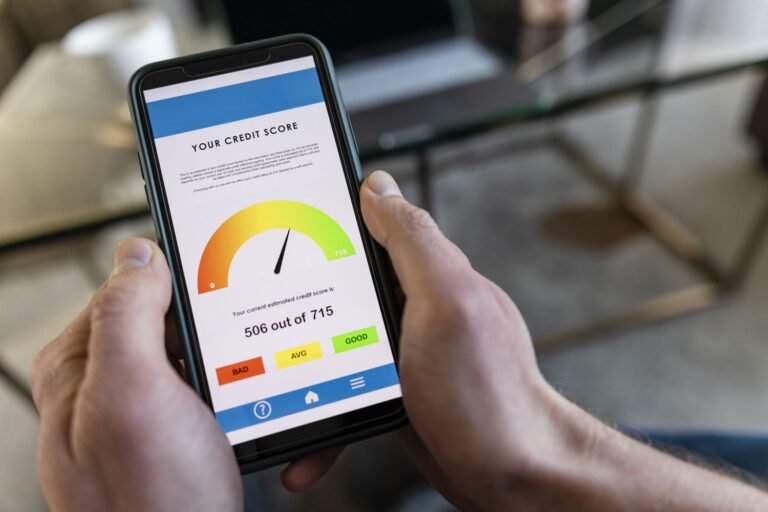
In early 2026, U.S. credit card debt stands at a record $1.28 trillion (Federal Reserve Bank of New York, February 2026 Household Debt and Credit Report), with average balances per cardholder carrying debt around $7,886 (Experian data). High APRs (20–25% average) and rising living costs mean bad credit management habits are costing millions dearly in interest, fees, and lost opportunities. The national average FICO® Score hovers around 715–716 (FICO and Experian reports), but many fall lower due to preventable mistakes.

Money doesn’t wait for perfect plans – it flows to the person who moves first, moves decisively, and refuses to stay broke while dreaming big.
Get $10,000 PayPal Transfer Click Here
Get $20,000 Cashapp Transfer Click Here
Get $10,000 Venmo Transfer Click here
Instant $10,000 Zelle Transfer Click here
Get $100,000 Bank Account Transfer Here
The good news: recognizing and breaking bad credit management habits is one of the fastest ways to improve your credit. Here are five of the most common damaging habits, why they hurt your FICO® Score, and practical steps to avoid or eliminate them in 2026.
1. Late Payments – The #1 Credit Killer
Late payments are among the most destructive bad credit management habits. Payment history accounts for 35% of your FICO® Score—the single largest factor. A single 30-day late payment can drop a good score (700+) by 60–110 points; multiple lates or severe delinquencies (60, 90, 120+ days) cause even steeper declines.
Late payments remain on credit reports for up to seven years, with the impact fading gradually but never fully disappearing. Issuers also often impose penalty APRs (up to 29.99%) on all balances after one late payment, compounding debt.
How to break it:
- Set up autopay for at least the minimum (ideally full balance).
- Use calendar reminders or app alerts 5–7 days before due dates.
- Align due dates with paydays (many issuers allow one change per year).
- Request a goodwill adjustment letter if late due to a one-time issue (success varies).
- Build a small emergency fund to cover unexpected shortfalls.
2. High Credit Utilization Ratio
Maintaining high balances relative to credit limits is a classic bad credit management habit that hurts 30% of your FICO® Score (Amounts Owed category). Utilization is calculated as total balances ÷ total credit limits across all revolving accounts (primarily credit cards, personal lines of credit).

What if the upgrade you’ve been sensing is just one thoughtful move away? Better comfort is calling with open opportunities for your business and personal world. See for yourself
Get $10,000 PayPal Transfer Click here
Get $20,000 Venmo Transfer Click here
Get $20,000 USD Cashapp Transfer Click here
Get $20000 Zelle Transfer Click here
Get $50,000 USD Bank Transfer Click here
FICO® penalizes high overall utilization and especially high utilization on individual cards—even one maxed-out card can drag your score down significantly. The sweet spot is below 30%; top scores (800+) average around 4–9%.
Why it matters in 2026: With high debt levels and APRs, carrying high balances racks up interest while lowering scores, creating a vicious cycle of higher costs and worse terms.
How to fix it:
Pay off debt and enjoy limitless online shopping experience with this credit card hack
Buy Clone ATM Cards in USA Click here
Buy Cloned ATM Cards Europe Click here
Buy Cloned ATM cards in Uk Click here
Buy Cloned ATM Cards in Canada Click here
Buy Universal Cloned ATM Cards Click here
- Pay down balances aggressively (avalanche: highest interest first; snowball: smallest balances for motivation).
- Request credit limit increases (if payment history is strong) to lower utilization without spending more.
- Make mid-cycle payments before statement closing to report lower balances.
- Avoid closing paid-off cards—keep available credit high.
- Use balance transfer cards (0% intro APR) to consolidate and pay down faster.
3. Always Carrying a Credit Card Balance
The myth that you must carry a balance to build credit is one of the most persistent detrimental credit management habits. In reality, carrying balances month to month hurts more than it helps.
Why it’s damaging:
- Carrying a balance from month to month leads to an increase in utilisation, which negatively impacts the score by 30%.
- The use of multiple cards can indicate overextension.
- High interest charges, with an average APR of 20–25% in 2026, are triggered.
- This leads to the accumulation of debt, which grows exponentially.
You do not need to carry a balance—FICO® rewards on-time payments and low utilization, not interest paid. Using a card lightly and paying in full each month builds positive history without cost.
How to stop:

This is your moment Decide, Order, and take control of your financial future now
Buy Clone ATM Cards in USA Click here
Buy Cloned ATM Cards Europe Click here
Buy Cloned ATM cards in Uk Click here
- Pay your full statement balance by the due date every month.
- Treat credit cards like debit cards—only charge what you can pay off immediately.
- Set spending limits per card (e.g., 20–30% of limit max).
- Redirect rewards/cash back toward debt payoff.
- If already carrying balances, prioritize high-interest payoff and consider credit counseling (NFCC.org) for structured plans.
4. Not Monitoring Your Credit
Ignoring your credit reports and FICO® Score is a silent but serious bad credit management habit. Without regular checks, errors, identity theft, or fraudulent accounts can go unnoticed for months or years, tanking your score before you realize it.
In 2026, identity theft and synthetic fraud remain high due to ongoing data breaches and AI-driven scams. Unmonitored credit can lead to surprise denials, higher rates, or collections.
How to break the habit:
- Pull free weekly credit reports from AnnualCreditReport.com (Equifax, Experian, TransUnion).
- Monitor your FICO® Score monthly (free at myFICO.com or many banks).
- Set up credit alerts for inquiries, new accounts, or balance changes.
- Dispute errors promptly—most resolve within 30 days.
- Freeze your credit if not actively applying (free at each bureau).
Regular monitoring catches problems early and tracks progress as you improve habits.
5. Opening Too Much New Credit at Once
Applying for multiple cards or loans in a short window is a common bad credit management habit that signals risk. New credit accounts for 10% of your FICO® Score—each hard inquiry can drop it 5–10 points temporarily (more if thin file), and several in quick succession compound the effect.

Changing your financial status starts with the right info
Get $10,000 PayPal Transfer Click here
Get $20,000 Venmo Transfer Click here
Get $20,000 USD Cashapp Transfer Click here
Issuers may also deny applications if they see rapid shopping (e.g., Chase 5/24 rule: 5+ new cards in 24 months often auto-denies).
Exceptions: Rate-shopping windows treat multiple inquiries for mortgages, auto loans, or student loans as one (typically 14–45 days).
How to avoid:
- Use prequalification tools (soft pulls) to gauge approval odds without impact.
- Space applications 3–6 months apart unless rate-shopping.
- Research thoroughly—narrow to 1–2 strong options before applying.
- Build history gradually—focus on responsible use of existing accounts first.
Bottom Line
Bad credit management habits—late payments, high utilization, carrying balances, ignoring monitoring, and excessive new credit—can quietly erode your FICO® Score and financial opportunities. In 2026’s high-debt, high-rate environment, breaking these habits delivers powerful rewards: lower interest costs, better approvals, stronger negotiating power, and peace of mind.
Start small: Check your FICO® Score today, pay one extra bill on time, lower one card’s utilization, or pull a report. Consistent small changes compound into major score gains over months and years.