
Book Appointment Now

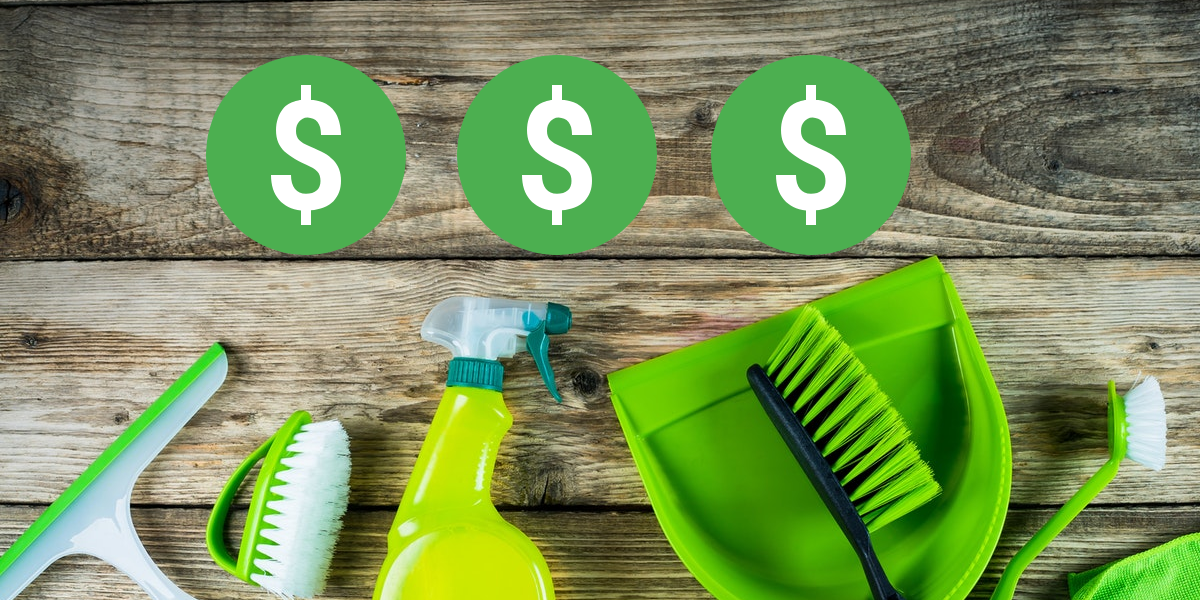
6 Ways to Spring Clean Your Home and Finances
Comprehensive Tips to Spring Clean Your Home and Finances
As spring gets closer, we might be daydreaming more about summer and spring break trips. But if you add a “financial spring cleaning” to your house spring cleaning, it could help your money position. Please take a closer look at your credit and review your budget and spending again in March, which is Credit Education Month.
If you’re one of the 75% of Americans who spring clean, here are some tips for cleaning your home and finances to improve your health:

Money doesn’t wait for perfect plans – it flows to the person who moves first, moves decisively, and refuses to stay broke while dreaming big.
Get $10,000 PayPal Transfer Click Here
Get $20,000 Cashapp Transfer Click Here
Get $10,000 Venmo Transfer Click here
Instant $10,000 Zelle Transfer Click here
Get $100,000 Bank Account Transfer Here
1. Start by decluttering
To begin your spring cleaning, go through each room and decide which items to keep, sell, or donate. This might take longer than anticipated, so aim to carve out time regularly. There are plenty of methods to declutter. To help inspire you, here are some popular techniques to declutter:
- KonMari method. This widely used and beloved method involves touching each of your items. If the item sparks joy, then you’ll keep it. If it doesn’t, you can get rid of it.
- 30-day challenge. With the 30-day challenge, you start by removing one item on Day 1, then two items on Day 2, and so forth. When you get to Day 3, you’ll have purged your home of a grand sum of 465 items.
- Five-box method. To help you stay organized in your quest to tidy up your home and get rid of unwanted items, you can stick to a five-box method. Grab five containers or boxes. Next, label them accordingly: Trash, Storage, Stow Away, Donate, and Sell. As you go through your belongings, decide which category each item falls into. Spring Clean Your Home and Finances.
2. Sell unwanted items
Next, see if you can make a little cash by selling unwanted items. There are many online marketplaces to sell your gently used or new items—Facebook Marketplace, OfferUp, eBay, and Craigslist are great places to start. Poshmark, thredUp, and Depop are platforms to sell unique and fashionable clothing, shoes, and accessories. You can also go niche and sell housewares, gifts, and vintage items on platforms like Mercari, eBay’s “Retro” or “Vintage” sections, and Etsy. Before putting up an item for sale, note the condition, and look at similar items to see what they’re going for.
It’s also a good idea to keep track of what’s sold. Come tax season, if you earned more than $600 in online marketplace sales, you might owe taxes. This wasn’t in effect for 2023 but might change going forward. Consider maintaining a spreadsheet to keep track of what you sell. Or, if you anticipate selling a high volume of goods, consider creating a separate business account with a payment platform such as Zelle, PayPal, or Venmo. Spring Clean Your Home and Finances.
3. Donate items to a non-profit or charity
For items you’ve decided to donate versus sell, it’s a good idea to check what tangible items an organization needs. A charity or non-profit will often list on their website or post their top “in search of” supplies and items on social media.
Typically, they won’t accept used mattresses, pillows, and bedding. As for perishable food, some food pantries might accept food past the “best by” date, but you’ll want to check ahead of time.

What if the upgrade you’ve been sensing is just one thoughtful move away? Better comfort is calling with open opportunities for your business and personal world. See for yourself
Get $10,000 PayPal Transfer Click here
Get $20,000 Venmo Transfer Click here
Get $20,000 USD Cashapp Transfer Click here
Get $20000 Zelle Transfer Click here
Get $50,000 USD Bank Transfer Click here
For you to qualify for a tax deduction, the organization needs to be qualified to receive deductible contributions and have 501(c)(3) status. The IRS has a handy tool where you can search if a charity, non-profit or other type of organization is tax-exempt.
4. Nix redundant or underused subscriptions
Beyond the clutter in your home, you can clear financial clutter by combing through your subscription services and recurring expenses. For example, maybe you have been enjoying your home gym more or are going for more lunchtime walks and aren’t using your fitness membership. If you aren’t using that $50-a-month gym membership, canceling your subscription saves $600 a year. Or maybe your library card includes access to an online film archive. If you end up dropping your streaming subscriptions, that’s $25 extra bucks in your pocket, or a $300 annual savings.
5. Check in with your credit reports and credit card debt
While you’re reviewing underused subscriptions, look over your credit report and make sure there aren’t any errors. You can get a free credit report from each of the three bureaus at AnnualCreditReport.com. Spring cleaning is a great time to also review your finances and see if there’s anything missing or inaccurate on your credit report.

Pay off debt and enjoy limitless online shopping experience with this credit card hack
Buy Clone ATM Cards in USA Click here
Buy Cloned ATM Cards Europe Click here
Buy Cloned ATM cards in Uk Click here
Buy Cloned ATM Cards in Canada Click here
Buy Universal Cloned ATM Cards Click here
On top of that, review your credit card debt and look into options to pay it off quicker. If you’re struggling to pay off debt, you can try the snowball or avalanche debt payoff technique, or look into credit card debt consolidation. Spring Clean Your Home and Finances.
6. Consider a shift in shopping and spending habits
Once you’ve tidied up your home and your finances, it’s a good time to examine how you accumulated the extra stuff in the first place. Be mindful of what you spend your money on, examine wants versus needs, and consider which purchases actually bring value to your life. Also consider your shopping habits: do you have a healthy relationship with shopping? Or do you shop because restless, bored, or anxious? You can also consider practicing gratitude, which may help you spend less, or consider a minimalist lifestyle, which can also benefit your pocketbook.
Bottom line
A bout of spring cleaning can not only make you refreshed and clear-headed, but it may help you save money, earn money, or boost your overall money situation. Consider engaging in purging, donating, and selling regularly– it may lead to a shift in money-saving habits. Spring Clean Your Home and Finances.