
Book Appointment Now

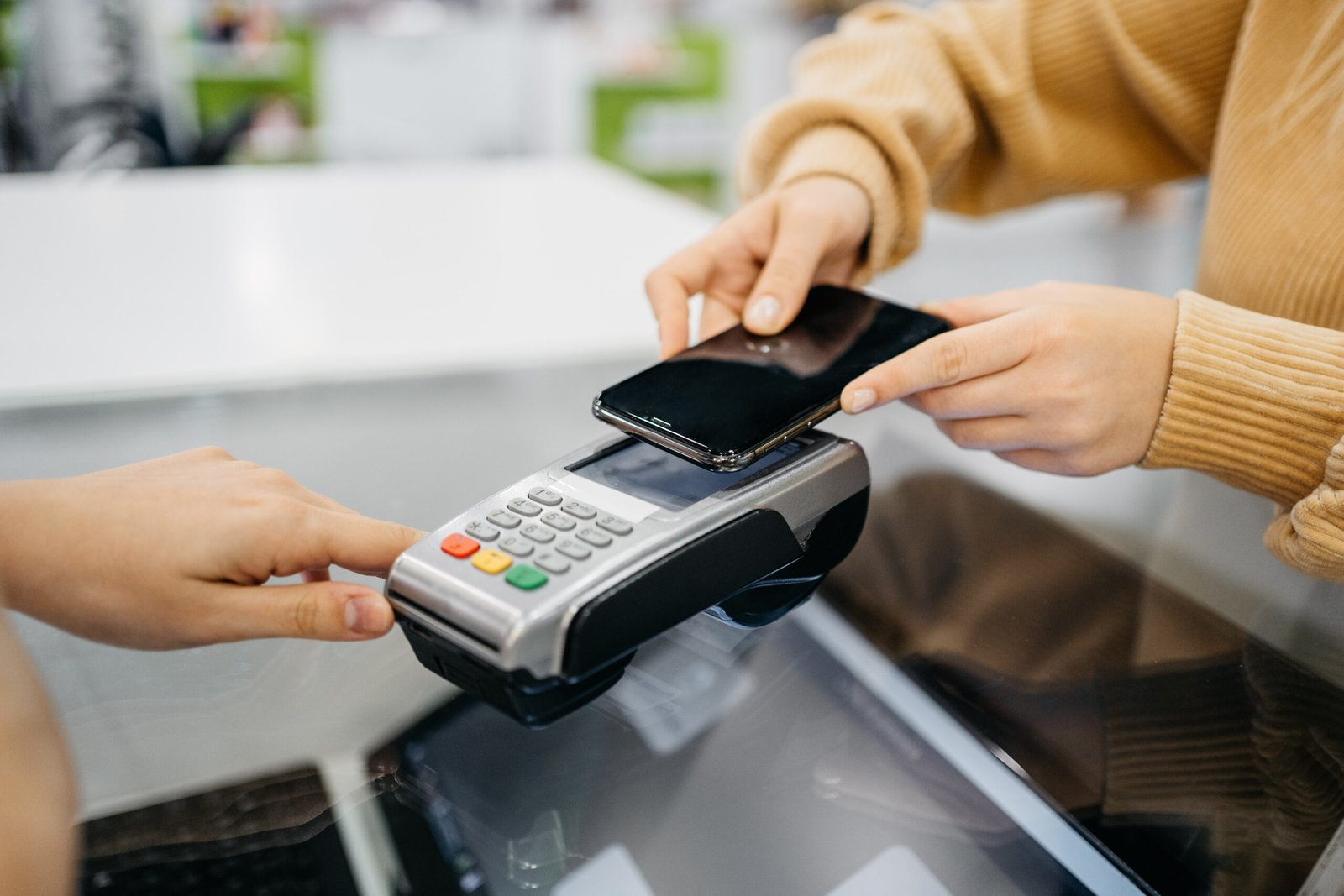
Contactless cards: The future is here
Contactless cards are something I really like. I had a funny experience at the grocery store in 2019 when I started using my first contactless card. When I touched my card to the payment terminal, the cashier began to shake his head. Contactless cards
“No, you,” he began, but as soon as the machine dinged and my transaction was completed, his expression turned to one of shock. “Whoa, it’s the future!” exclaimed the customer behind me. Contactless cards

Money doesn’t wait for perfect plans – it flows to the person who moves first, moves decisively, and refuses to stay broke while dreaming big.
Get $10,000 PayPal Transfer Click Here
Get $20,000 Cashapp Transfer Click Here
Get $10,000 Venmo Transfer Click here
Instant $10,000 Zelle Transfer Click here
Get $100,000 Bank Account Transfer Here
As we’ve all done countless times since chip cards became popular a few years ago, I’m sure the store employee was going to tell me that I had to dip my card into the payment terminal. It was evident to him and the next customer in queue that card payments were only made by inserting the card rather than tapping.
The future has arrived after two years. Contactless cards have finally taken off in the United States thanks to the coronavirus pandemic and the push from all major card issuers to implement the new technology across their portfolio of products, which began a few years ago. Related: A study reveals that coronavirus concerns are increasing contactless payments. Contactless cards
How it works
Contactless payments are much faster than dipping a card and just as secure. Visa said in April of last year that 60% of its in-person transactions (excluding the U.S.) are contactless.
In a study released in April 2020, Mastercard reported that 79% of respondents across the globe said they were using some form of contactless payments. Between February and March 2020 – the start of the global COVID-19 pandemic – contactless transactions grew at groceries and drugstores twice as fast as traditional credit card transactions, according to Mastercard. Contactless cards
The technology behind tapping a card and mobile payment services such as Apple Pay and Google Pay is interchangeable. If a merchant can accept a tap from a card, it can accept a tap from a phone, and vice versa.

What if the upgrade you’ve been sensing is just one thoughtful move away? Better comfort is calling with open opportunities for your business and personal world. See for yourself
Get $10,000 PayPal Transfer Click here
Get $20,000 Venmo Transfer Click here
Get $20,000 USD Cashapp Transfer Click here
Get $20000 Zelle Transfer Click here
Get $50,000 USD Bank Transfer Click here
Generally, I prefer tapping a physical card rather than using a mobile payment service. I’m more comfortable identifying the card that offers the best rewards by pulling a specific piece of plastic out of my wallet rather than activating the payments app and scrolling through a list of cards on my phone. Contactless cards
Coming to America
Up until a few years ago, contactless payments were still in their infancy in the U.S. A.T. Kearney reported in 2018 that just 0.18% of point-of-sale transactions were contactless. Contactless cards
But that has been changing. That’s largely because the infrastructure for contactless payments is already in place. In its same study, A.T. Kearney reported that 70% of terminals had the necessary hardware in 2018 to accept contactless payments while more than 95% of new point-of-sale terminals are enabled for contactless transactions. Contactless cards
Pay off debt and enjoy limitless online shopping experience with this credit card hack
Buy Clone ATM Cards in USA Click here
Buy Cloned ATM Cards Europe Click here
Buy Cloned ATM cards in Uk Click here
Buy Cloned ATM Cards in Canada Click here
Buy Universal Cloned ATM Cards Click here
All Chase Visa cards have been equipped for contactless payments since the end of 2019. American Express and Capital One were among the early leaders in sending contactless cards to their customers (typically for new cardholders and when existing cards expire, although you can request them sooner). Wells Fargo joined the bandwagon in 2019, and Bank of America also offers contactless cards. (See chart below for a list of U.S. issuers that offer contactless credit cards.) Contactless cards
New York is a fascinating case study. It’s the country’s largest city and, in May 2019, it began accepting contactless payments at certain subway stations in Manhattan and Brooklyn, as well as Staten Island buses. The Metropolitan Transportation Authority is rolling out its OMNY contactless fare system through 2023.
We’re nearing a tipping point in the U.S. The majority of merchants are now equipped to accept contactless payments. More card issuers are delivering contactless cards to consumers. There’s a big mobile payments push from popular companies such as Apple and Google. And transit systems in New York and Chicago are contactless-equipped; other big cities, such as Boston and Washington, D.C., are turning to contactless payments. Contactless cards
In the U.K., many people first experienced contactless payments on London’s transit system, and then they realized they could also pay quickly and easily by tapping at restaurants, supermarkets, pharmacies and so on.

This is your moment Decide, Order, and take control of your financial future now
Buy Clone ATM Cards in USA Click here
Buy Cloned ATM Cards Europe Click here
Buy Cloned ATM cards in Uk Click here
I think the same thing will happen here. The demand is definitely there: Our research in 2019 showed three-quarters of credit card holders prefer to pay for small purchases with cash and debit cards. The most common explanation for avoiding credit was that other payment methods are quicker and easier. With contactless payments, that’s no longer true. Contactless cards