
Book Appointment Now

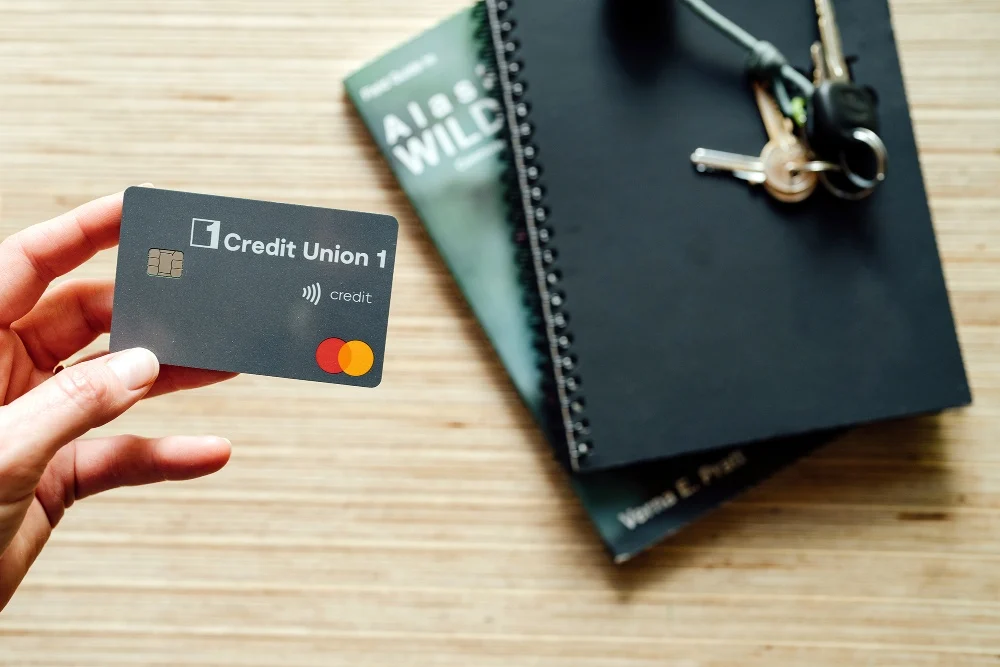
Is using one credit card for everything worth it?
What if you had only one credit card – for everything? Is using one credit card
No juggling due dates. There would be no need to determine which credit card to use for specific occasions. A thinner wallet. Is using one credit card

Money doesn’t wait for perfect plans – it flows to the person who moves first, moves decisively, and refuses to stay broke while dreaming big.
Get $10,000 PayPal Transfer Click Here
Get $20,000 Cashapp Transfer Click Here
Get $10,000 Venmo Transfer Click here
Instant $10,000 Zelle Transfer Click here
Get $100,000 Bank Account Transfer Here
However, if you use different cards for different purchases, you might miss out on the opportunity to maximise your rewards. And having just one card also means saying au revoir to those generous sign-up bonuses that might come with a new rewards card. Is using one credit card
Similar to any other aspect of life, reducing your credit card portfolio to a single plastic rectangle presents both advantages and disadvantages. Read on to learn the pros and cons of this strategy, tips for making it work for you, and even a few single-card options to consider. Is using one credit card
Pros of having just one credit card
- You’re more likely to pay your bill on time: “You’ve got one provider to think about, one piece of plastic to keep your eyes on, one bill to pay each month,” said Natasha Rachel Smith, former personal finance and consumer expert for TopCashback.com. Making on-time payments is the most important factor in credit scoring, accounting for 35% of your score.
- You’re less likely to fall into debt: With one card, “you’re going to be more aware of what you’re spending on that one account,” said Andrea Woroch, a consumer savings expert. “If you have multiple credit cards, that’s when you can get into a trickier situation, because you’re not necessarily aware of the balance you have on different cards, and you also have more available credit to use as well.” Is using one credit card
- You have fewer hard inquiries impacting your credit score: Every time you apply for a credit card, the bank takes a look at your credit history. Those views add up and can even drive your score down – while only temporary, depending on your score, the consequences can range from minimal to significant. That can make a difference if you’re trying to buy a house or get any kind of loan, Woroch said. Is using one credit card
- You may be more able to maximize rewards: You would have only one card and one laser focus on racking up points or amassing cash back. This way, you know all your points are in the same system, which can be a problem if you have different cards from different banks.
- You have better chances to prevent fraud: “You’re more likely to check your account for fraud regularly,” Woroch said, “when you only have one account to check.” Is using one credit card
Cons of having just one credit card
- You have less flexibility in your cash flow: If you need to make a big purchase on, say, the 10th of the month, and the billing cycle of your single card closes on the 11th, you’re going to get stuck paying that bill pretty soon. However, if you have other cards with cycles that close later in the month or in the first few days of the next month—or if you have an extra card with a 0% APR (annual percentage rate) promo period, which means you won’t be charged interest on purchases for a set time—you have just bought yourself some time to save or raise that extra cash. Is using one credit card
- You may be missing out on reward opportunities: “You are losing out big-time on everything that’s available to you,” said Smith. Sure, your card may give you cash back, but then it’s also giving you no points toward airline travel, and vice versa. “There is no one, well-rounded, super credit card that is going to give you all the benefits,” she said. Is using one credit card
- You can’t maximize your spending: Some cards give more points at restaurants, others at gas stations. By having more than one card, “you can really take advantage of some of the benefits of the system,” said Matthew Goldman, founder of Wallaby Financial. Is using one credit card
- You have to keep an eagle eye on your credit utilization ratio: Your credit utilization ratio is the percentage you are using of the total credit available to you. Ideally, you want to keep it below 30%. As close to zero as you can get is even better. For example, if you have one credit card with a $5,000 credit limit, you don’t want to ever owe more than $1,500. But if you have a second card with, say, a $3,000 credit limit, you can owe another $900 in the same month and still stay within that 30% ratio. Having more than one credit card can boost your credit utilization ratio with multiple credit lines. Is using one credit card
- You have to make that one card fit all uses and occasions: If you own a business or a rental property, it’s nice to have a credit card devoted solely to those expenses, Woroch said. It’s easier to track those expenses and to figure out deductions when tax time comes around.
- Your one card might not be accepted everywhere: While Visa and Mastercard are more universally accepted, and American Express signs are increasingly common in store windows across the globe, you may wind up in a place that doesn’t accept the type of credit card you have with you. Also, if you’re planning to use your one card abroad, you should make sure it doesn’t charge foreign transaction fees— usually 3% of each purchase. Is using one credit card
Best single-card strategy cards
Ready to trim that wallet down to just one card? Here are a few options to investigate:
- Both Chase Sapphire cards are a good pick: the Chase Sapphire Reserve card ($550 annual fee) offers 3 points per dollar spent on all travel and dining purchases in addition to a slew of benefits. With the Chase Sapphire Preferred Card ($95 annual fee), you earn 2 points per dollar spent on travel and 3 points at restaurants. Both give you access to the Chase Ultimate Rewards portal, where you can maximize your points at various merchants and redeem points for airline flights, hotel rooms and curated experiences. Both cards come with generous sign-up bonuses and don’t charge foreign transaction fees. Is using one credit card
- Costco members should consider the Costco Anywhere Visa® card by Citi: Cardholders get 4% cash back on eligible gas and electric vehicle (EV) charging purchases (up to $7,000 annually, 1% thereafter), 3% on dining and travel, 2% on Costco purchases, and 1% on everything else. You also won’t pay annual or foreign transaction fees, but you must be a Costco member to get the card. Also, the rewards are only redeemable only once a year, at the end of the February billing cycle. Is using one credit card
- Capital One has two straightforward cards to consider: The Capital One Quicksilver Cash Rewards card gives 1.5% cash back on all purchases (no annual fee), and the Capital One Venture Rewards card gives cardholders 5 miles per dollar on hotels and rental cars booked through Capital One Travel and 2 miles per dollar on everything else ($95 annual fee). Both cards make redemption easy, offer generous sign-up bonuses and come with no foreign transaction fees. Is using one credit card
Bottom line
Regardless of the card you pick, make sure the rewards structure matches your lifestyle and the credit limit is large enough so you can handle your credit utilization comfortably. Ultimately, managing your cards is more important than how many you have. Is using one credit card
Editorial Disclaimer
Advertising dollars do not drive the editorial content on this page. The credit card issuers have not provided or commissioned it. However, we may receive compensation when you click on links to products from our partners, which helps support our editorial content and ensures that it remains unbiased and independent. Is using one credit card

What if the upgrade you’ve been sensing is just one thoughtful move away? Better comfort is calling with open opportunities for your business and personal world. See for yourself
Get $10,000 PayPal Transfer Click here
Get $20,000 Venmo Transfer Click here
Get $20,000 USD Cashapp Transfer Click here
Get $20000 Zelle Transfer Click here
Get $50,000 USD Bank Transfer Click here