
Book Appointment Now

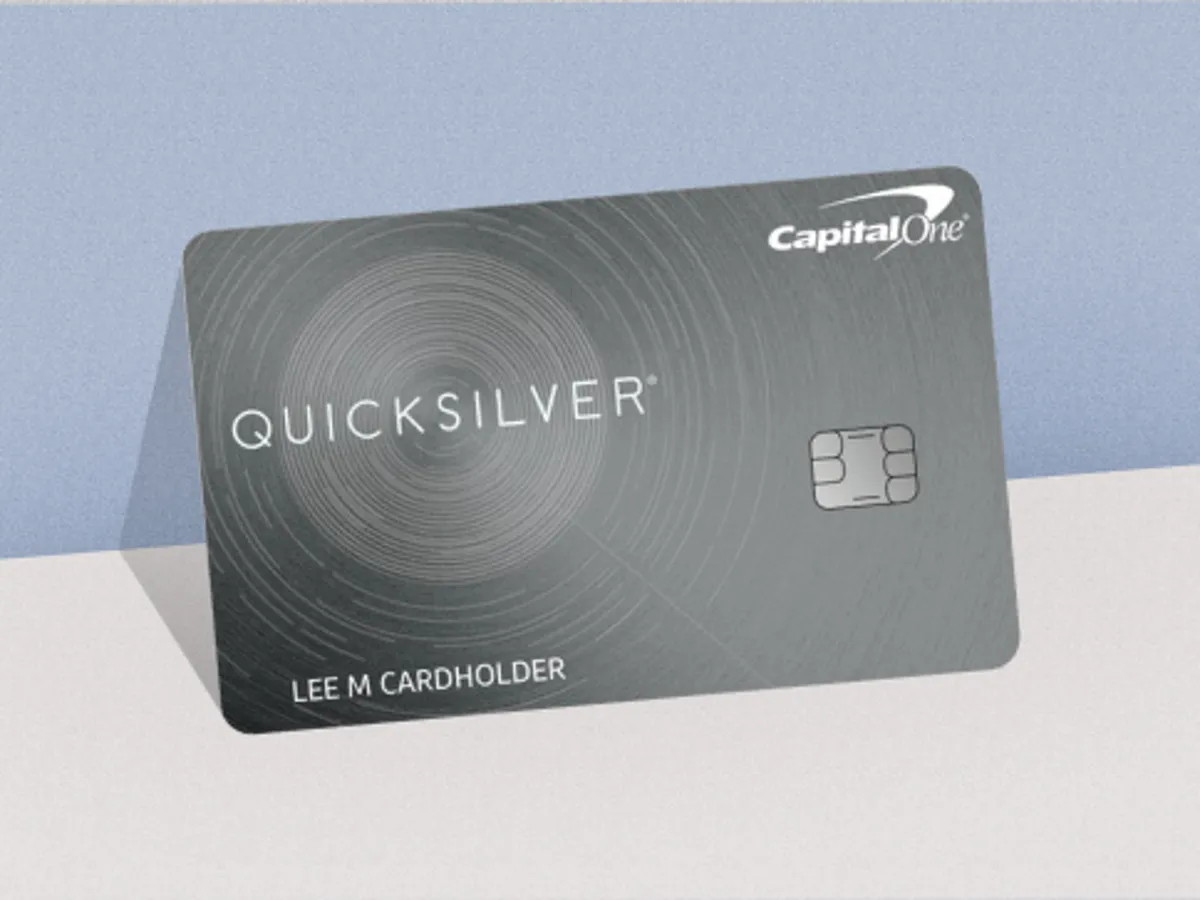
Capital One Quicksilver vs. Capital One QuicksilverOne
Both the Capital One Quicksilver Cash Rewards Credit Card and the Capital One QuicksilverOne Cash Rewards Credit Card give you cash back at a flat rate. Capital One Quicksilver vs Capital They are very similar in almost every way. But there are small differences in how you can use them and how they can help you build credit. Capital One Quicksilver vs. Capital One
Both cashback credit cards have the same flat cashback rate, but one has a 0% intro APR period and the other has a high regular APR. So, which one should you pick?

Money doesn’t wait for perfect plans – it flows to the person who moves first, moves decisively, and refuses to stay broke while dreaming big.
Get $10,000 PayPal Transfer Click Here
Get $20,000 Cashapp Transfer Click Here
Get $10,000 Venmo Transfer Click here
Instant $10,000 Zelle Transfer Click here
Get $100,000 Bank Account Transfer Here
In the end, the difference between these two cards depends on your credit history, how much debt you have, and how you feel about certain benefits. Capital One Quicksilver vs. Capital One
Earning rewards
If you’re looking for a simple cashback card that will reward you for every purchase, either the Capital One Quicksilver or Quicksilver One can be a good choice. Both cards carry a flat 1.5% cash back rate on all purchases every day. You can use either card at this rate without having to enrol in or track rotating categories. Compared to similar cashback options, the 1.5% rate is competitive among average rates with no rotating categories. Capital One Quicksilver vs. Capital One
Neither card has earning limits, and your cash back won’t expire for the life of the account. The cards provide redemption flexibility, as well. You can redeem cash in any amount at any time – as well as redeem cash for statement credits, cheques, gift cards and more. Capital One Quicksilver vs. Capital One
Sign-up bonus
The Capital One Quicksilver is a great option for rewards card rookies. You can find other cards with rates higher than 1.5%, but you’ll sacrifice redemption simplicity to get there. The Quicksilver does have a sign-up bonus, allowing new cardholders to earn an extra $200 after spending $500 within the first three months of opening a new account. That extra bonus is pretty standard for no-annual-fee cashback cards like the Quicksilver and definitely gives it an edge over the Capital One QuicksilverOne. Capital One Quicksilver vs. Capital One

What if the upgrade you’ve been sensing is just one thoughtful move away? Better comfort is calling with open opportunities for your business and personal world. See for yourself
Get $10,000 PayPal Transfer Click here
Get $20,000 Venmo Transfer Click here
Get $20,000 USD Cashapp Transfer Click here
Get $20000 Zelle Transfer Click here
Get $50,000 USD Bank Transfer Click here
Introductory APR
Unlike the QuicksilverOne card, the Quicksilver also offers an introductory APR on new purchases and balance transfers, as well as a lower APR overall, which makes the card a better choice if you’re planning to carry a balance. The 0% intro APR lasts 15 months, then the regular variable APR of 16.49% to 26.49% will kick in. The Capital One Quicksilver is great for those with a little credit debt or for those planning for a big purchase, like a washer and dryer. Capital One Quicksilver vs. Capital One
Annual fee
As previously stated, the Capital One Quicksilver does not charge an annual fee. When also factoring in the card’s sign-up bonus, cashback rate and intro APR period, you see that you get lots of benefits for no cost at all.
The Capital One QuicksilverOne, on the other hand, does charge an annual fee of $39. It’s a relatively low annual fee (compared to the more common $95), but it could be difficult to budget for if you’re still recovering from major debt. However, the QuicksilverOne’s flat cashback rate makes it quite easy (spend $2,600 in a year) to make up for that annual fee. Capital One Quicksilver vs. Capital One
Fees and other perks
Neither the Quicksilver nor the QuicksilverOne carries a foreign transaction fee. Holders of both cards are free to earn cash back domestically and overseas without limitations. Like all Capital One cards, these cards give you access to the CreditWise feature, letting you view and track your credit score for free. Capital One Quicksilver vs. Capital One

Pay off debt and enjoy limitless online shopping experience with this credit card hack
Buy Clone ATM Cards in USA Click here
Buy Cloned ATM Cards Europe Click here
Buy Cloned ATM cards in Uk Click here
Buy Cloned ATM Cards in Canada Click here
Buy Universal Cloned ATM Cards Click here
Like many other rewards cards, the Capital One Quicksilver offers other travel benefits like roadside assistance, baggage insurance and fraud coverage. As for the Capital One QuicksilverOne, it really hones in on helping you build credit. So, if you miss a payment, Capital One will not charge you a penalty APR – only a late payment fee of up to $40. It will also not charge you a returned payment fee. Capital One Quicksilver vs. Capital One
Capital One Quicksilver: Best for simple and easy rewards
Capital One requires cardholders to have a good or excellent credit history to be approved for the Quicksilver card. With its sign-up bonus, intro APR period and straightforward rewards, the Capital One Quicksilver is ideal for cardholders who want to easily earn rewards without having to worry about any bonus categories. Using this card for all your everyday purchases will give you a steady stream of cashback, and it’s the perfect introduction for beginners interested in rewards credit cards. Capital One Quicksilver vs. Capital One
Capital One Quicksilver One: Best for earning cash back while building credit
As for the Capital One QuicksilverOne, it is much easier to get approved for those with fair credit. The card’s lack of intro APR, higher regular APR and 1.5% cash back all work to discourage you from splurging on items you cannot afford. The lack of big-time rewards doesn’t coax you into buying items you wouldn’t normally buy, and its high APR encourages you to make your payments on time and in full. It’s a great card for credit building. Capital One Quicksilver vs. Capital One
To help you build credit, the Quicksilver One card usually starts with a $300 credit limit (up to $500 if you’re lucky) that will automatically be reviewed for a higher credit limit after six months of timely payments. Boosting your credit line can lower your credit utilization ratio, which is beneficial for your credit score. Capital One Quicksilver vs. Capital One
Bottom line
In the end, it all comes down to which card you can qualify for based on your credit history. While the Quicksilver and QuicksilverOne feel the same when it comes to rewards rates, the Quicksilver card offers the clear advantage thanks to its sign-up bonus and $0 annual fee. On top of that, it comes with a lower ongoing APR and a low-interest offer on new purchases and balance transfers.
Still, you won’t lose too much ground by going with the QuicksilverOne card, especially if you’re looking to build credit and have a lower credit score. While you’re working on your credit, receiving 1.5% cash back on every transaction is an excellent deal. Plus, you can always request a product upgrade once your credit score improves. Capital One Quicksilver vs. Capital One
Editorial Disclaimer
The editorial content on this page is based solely on the objective assessment of our writers and is not driven by advertising dollars. It has not been provided or commissioned by the credit card issuers. However, we may receive compensation when you click on links to products from our partners. Capital One Quicksilver vs. Capital One