Book Appointment Now

Should I Consolidate My Student Loans?
Should You Consolidate Student Loans in 2026? Pros, Cons, and Key Factors
Student loan repayments officially resumed in October 2025 after a multi-year pause, hitting millions of borrowers amid persistent inflation and elevated interest rates. This resumption has intensified financial pressure, with many facing higher monthly obligations, accruing interest, and challenges in budgeting effectively.
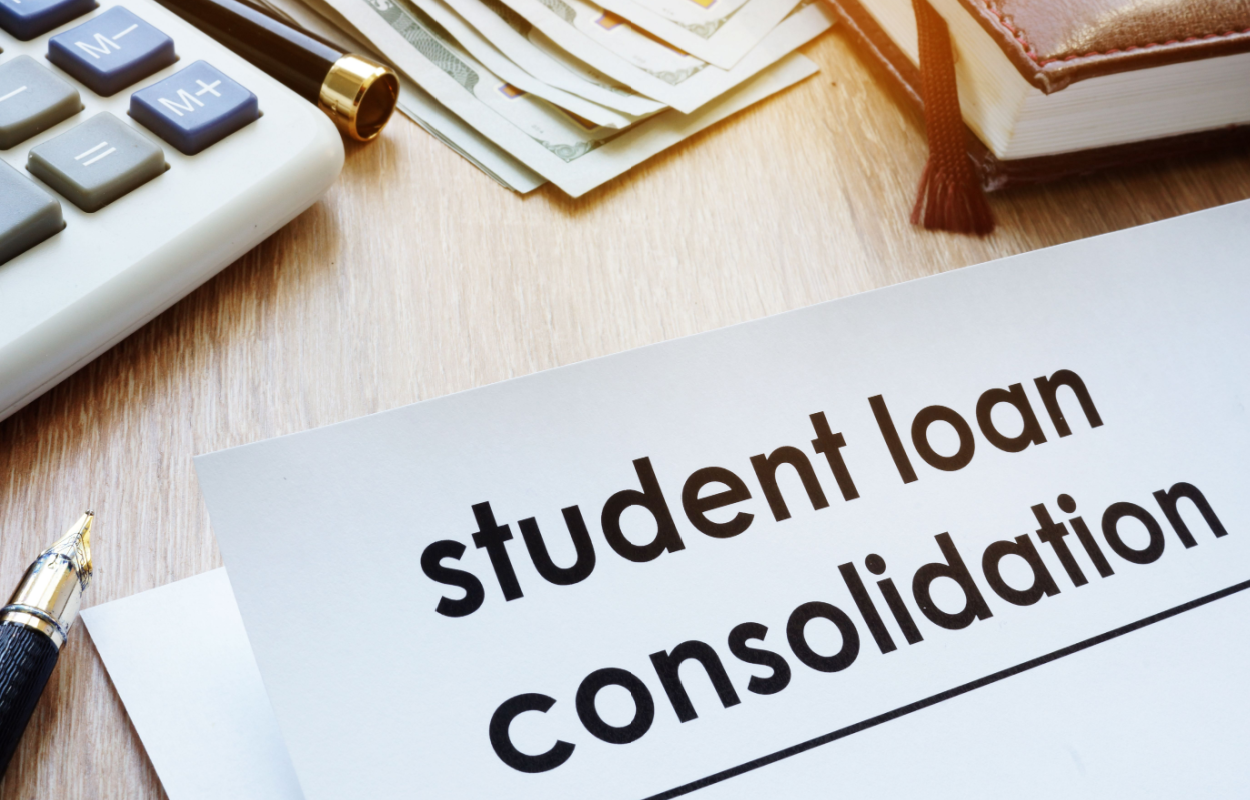
If you’re grappling with this burden, consolidate student loans emerges as a viable strategy for some. Consolidating student loans involves combining multiple loans into one, often with a new interest rate, single monthly payment, and adjusted repayment terms. This can simplify management and potentially ease cash flow.

Money doesn’t wait for perfect plans – it flows to the person who moves first, moves decisively, and refuses to stay broke while dreaming big.
Get $10,000 PayPal Transfer Click Here
Get $20,000 Cashapp Transfer Click Here
Get $10,000 Venmo Transfer Click here
Instant $10,000 Zelle Transfer Click here
Get $100,000 Bank Account Transfer Here
However, consolidate student loans isn’t universally ideal consolidating student loans carries drawbacks like extended terms leading to more total interest paid. Key factors help decide if consolidating student loans suits your situation.
You Have Multiple Loans
Juggling several student loans from different servicers or origination periods creates administrative headaches. Tracking varying due dates, amounts, and lenders demands significant effort and risks missed payments, late fees, or credit damage.
Consolidating student loans streamlines this by merging everything into one loan with one servicer and one monthly payment. This simplification aids budgeting, reduces oversight errors, and frees mental bandwidth for other financial goals.
Federal consolidation applies only to federal loans via a Direct Consolidation Loan through the Department of Education. Private consolidation (often called refinancing) can include both federal and private loans with private lenders.

What if the upgrade you’ve been sensing is just one thoughtful move away? Better comfort is calling with open opportunities for your business and personal world. See for yourself
Get $10,000 PayPal Transfer Click here
Get $20,000 Venmo Transfer Click here
Get $20,000 USD Cashapp Transfer Click here
Get $20000 Zelle Transfer Click here
Get $50,000 USD Bank Transfer Click here
If you hold a mix, consider separating them: federal consolidation preserves benefits like income-driven repayment (IDR) plans and potential forgiveness, while private refinancing might offer lower rates but forfeits those protections. Consolidating student loans federally keeps you eligible for federal programs, a critical consideration post-resumption.
You Can’t Afford Your Current Monthly Payments
High payments strain budgets, especially with rising living costs. Consolidating student loans can reduce monthly amounts by extending the term (up to 30 years for federal Direct Consolidation Loans) or securing a favorable weighted average rate.
Federal consolidation uses a weighted average of your existing rates, rounded up to the nearest 1/8th of 1%. Current federal rates for new loans (2025-2026) hover around 6.39% for undergrad Direct loans, but consolidation rates depend on your mix—often capped or averaged.
Lower payments provide breathing room for essentials, emergencies, or debt reduction elsewhere. However, longer terms mean more interest accrual overall. For example, extending from 10 to 25 years could add thousands in interest despite lower monthly outflows.

Pay off debt and enjoy limitless online shopping experience with this credit card hack
Buy Clone ATM Cards in USA Click here
Buy Cloned ATM Cards Europe Click here
Buy Cloned ATM cards in Uk Click here
Buy Cloned ATM Cards in Canada Click here
Buy Universal Cloned ATM Cards Click here
Before consolidating student loans, assess your full picture: review income, expenses, and career trajectory. Explore alternatives like boosting side income, cutting costs, or negotiating with employers for assistance. If those fall short, consolidating student loans might bridge the gap without drastic lifestyle changes.
You Have a Variable Interest Rate
Variable rates on some older private or certain federal loans fluctuate with market conditions, causing unpredictable payments that complicate budgeting.
Consolidating student loans often converts to a fixed rate, locking in stability. Federal Direct Consolidation Loans are fixed, based on your weighted average. Private consolidation can yield fixed rates too, potentially lower if your credit has improved.
Compare current rates carefully. As of early 2026, federal consolidation doesn’t guarantee a lower rate—it averages existing ones. If your variables are low now but could rise, fixing makes sense. But if the new fixed rate exceeds your current average (especially with capitalized unpaid interest), long-term costs climb.

This is your moment Decide, Order, and take control of your financial future now
Buy Clone ATM Cards in USA Click here
Buy Cloned ATM Cards Europe Click here
Buy Cloned ATM cards in Uk Click here
Unpaid interest capitalizes upon consolidating student loans, adding to principal and accruing future interest on a larger balance. This amplifies expenses if rates rise or terms extend.
Your Loans Are in Default
Default brings severe repercussions: credit score damage, collection actions, wage garnishment, and tax refund offsets.
For federal loans, consolidating student loans via Direct Consolidation can rehabilitate defaulted status. After consolidation, making three consecutive on-time payments or enrolling in an IDR plan often clears default, restoring good standing and access to benefits.
This path offers a fresh start, but act promptly—default resolution prevents further escalation.

Changing your financial status starts with the right info
Get $10,000 PayPal Transfer Click here
Get $20,000 Venmo Transfer Click here
Get $20,000 USD Cashapp Transfer Click here
Additional Considerations in 2026
Recent legislative changes, like the One Big Beautiful Bill Act (OBBBA) of 2025, reshape options. New repayment plans (e.g., tiered standard or Repayment Assistance Plan) roll out, and some older IDR plans phase out by 2028. Consolidating student loans before key deadlines (e.g., July 2026 for certain Parent PLUS access to IDR) can preserve or unlock eligibility.
For Parent PLUS borrowers, timely consolidation enables more affordable IDR. Consolidation might also reset forgiveness clocks under programs like Public Service Loan Forgiveness (PSLF), so check qualifying payments carefully—some progress could reset.
Private consolidation (refinancing) suits strong-credit borrowers seeking lower rates (some as low as 4-6% in early 2026), but it eliminates federal perks entirely—no IDR, no forgiveness. Consolidate Student Loans.
How to Consolidate Federal Student Loans (Step-by-Step)
- Log into StudentAid.gov with your FSA ID.
- Access the Direct Consolidation Loan application.
- Gather details: loan info, income, references.
- Select loans to include (most federal qualify).
- Choose a repayment plan (standard, extended, graduated, or IDR).
- Submit—processing takes weeks; no fee.
- Repayment starts ~60 days post-disbursement.
Private consolidation involves shopping lenders, prequalifying (soft credit check), and applying—compare rates, terms, and fees. Consolidate Student Loans.
Should You Consolidate Student Loans?
Consolidating student loans simplifies management, stabilizes payments, and eases affordability for many, especially with multiple loans or default issues. It can align with IDR or forgiveness goals if timed right.
Yet, drawbacks loom: extended terms inflate total interest, capitalization grows balances, and some benefits (e.g., certain forgiveness credits) may vanish. In 2026’s evolving landscape—with resumed payments, new plans, and potential defaults—alternatives like deferment, forbearance, IDR enrollment, or aggressive extra payments often provide relief without long-term costs.
Calculate scenarios using online tools (e.g., StudentAid.gov estimator). Consult a certified counselor or financial advisor. Consolidating student loans works best when it aligns with your goals—lower stress now versus minimized total cost later.
Ultimately, weigh short-term relief against lifetime expense. With careful evaluation, consolidating student loans can be a smart move in reclaiming financial control.