
Book Appointment Now

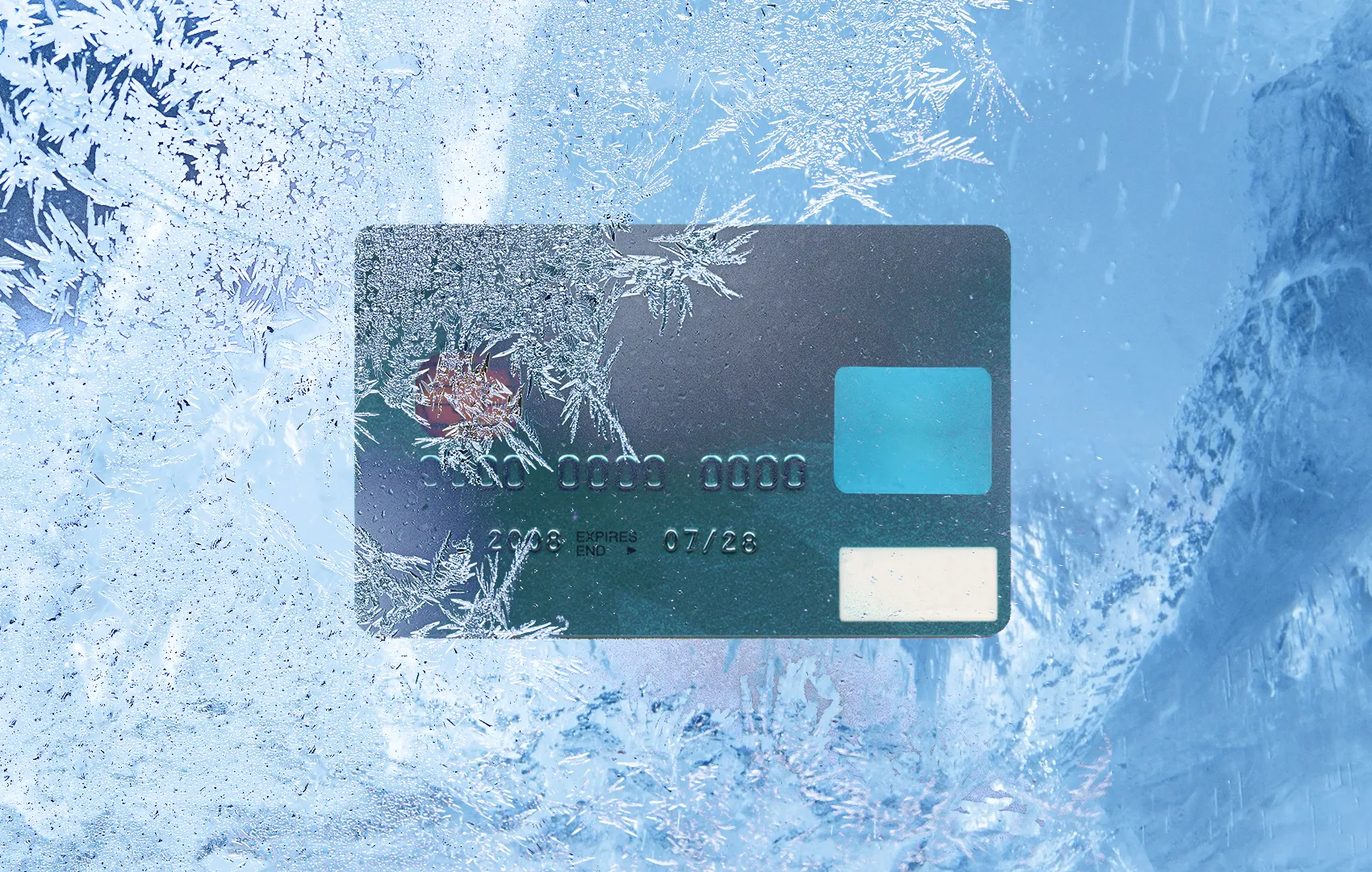
Credit Card Freeze: How Freezes, Locks, and Fraud Alerts Protect Against Identity Theft in 2026
Who Can Check Your Credit After You Add a Freeze, Lock or Fraud Alert – Credit Card Freeze?
One of the most common ways criminals steal money is by opening new credit accounts in someone else’s name—using stolen Social Security numbers, birth dates, or other personal information to apply for credit cards, loans, or lines of credit.
With U.S. credit card debt reaching $1.28 trillion by the end of Q4 2025 (up $44 billion in the quarter, per the Federal Reserve Bank of New York’s February 2026 Household Debt and Credit Report) and identity theft reports remaining high amid data breaches and phishing scams, proactive protection is essential.

Money doesn’t wait for perfect plans – it flows to the person who moves first, moves decisively, and refuses to stay broke while dreaming big.
Get $10,000 PayPal Transfer Click Here
Get $20,000 Cashapp Transfer Click Here
Get $10,000 Venmo Transfer Click here
Instant $10,000 Zelle Transfer Click here
Get $100,000 Bank Account Transfer Here
If you suspect your personal information has been compromised (e.g., from a data breach, lost wallet, or suspicious activity), tools like credit freezes, credit locks, or fraud alerts can significantly reduce the risk of fraudulent accounts being opened in your name.
A Credit Card Freeze—more formally known as a security freeze—limits access to your credit reports, making it one of the strongest defenses against new-account identity theft. However, credit freezes, locks, and fraud alerts differ, and all allow some access to your credit reports or FICO® Scores. Understanding the differences empowers you to choose the right protection level without unnecessary restrictions on your own legitimate financial activities.
Credit Freezes vs. Credit Locks vs. Fraud Alerts: Key Differences
These three tools help safeguard your credit, but they operate differently:
- Credit Freezes (Security Freezes): A Credit Card Freeze restricts access to your credit reports, preventing creditors from viewing them to open new accounts. You can place, lift (temporarily or permanently), or remove freezes for free at any time. Federal law (since 2018) mandates free freezes nationwide. You must manage freezes separately at each of the three major bureaus: Experian, Equifax, and TransUnion. Online placement is fastest (often instant), with phone or mail options available. Freezes remain until you lift them—no expiration. A freeze is the most robust option for preventing fraudulent applications, as creditors typically deny new credit if they can’t access your report or derive a FICO® Score from it.
- Credit Locks: Similar to freezes, locks limit access to your credit reports. However, locks are usually a feature bundled with free or paid credit monitoring services from one bureau (e.g., Equifax Lock & Alert, Experian Credit Lock, or TransUnion Credit Lock). They often allow easier, app-based locking/unlocking (sometimes instantly) and may include extras like credit score alerts or identity theft insurance. Locks are convenient for frequent users but may not cover all bureaus unless you lock each separately. Some services charge fees for premium features, though basic locks are often free.
- Fraud Alerts: An initial fraud alert (free, lasts 1 year, renewable) or extended alert (for verified victims, lasts 7 years) notifies creditors that you may be an identity theft victim. Creditors must take extra steps to verify your identity (e.g., contact you by phone) before opening new accounts or extending credit. Place it with one bureau (e.g., Experian), and it automatically notifies the other two. It’s less restrictive than a freeze/lock—creditors can still access your report—but adds verification hurdles. Active-duty military can get a 2-year alert.
Credit freezes and locks are the strongest for blocking unauthorized new credit, while fraud alerts provide verification without full restrictions.

What if the upgrade you’ve been sensing is just one thoughtful move away? Better comfort is calling with open opportunities for your business and personal world. See for yourself
Get $10,000 PayPal Transfer Click here
Get $20,000 Venmo Transfer Click here
Get $20,000 USD Cashapp Transfer Click here
Get $20000 Zelle Transfer Click here
Get $50,000 USD Bank Transfer Click here
How Credit Freezes and Locks Work to Protect You
When you place a Credit Card Freeze or lock, the bureau won’t release your credit report to creditors making lending decisions (e.g., new credit cards, loans, or increases). This often results in automatic denial of fraudulent applications, as the issuer can’t pull your history or FICO® Score.
However, you’ll need to temporarily lift (thaw) or unlock your reports before legitimate applications—like a new mortgage, auto loan, rental, or credit card. Most bureaus allow:
- Temporary lifts, such as those for a specific creditor or time window, are often available instantly online or over the phone.
- Permanent removal if needed.
- The system automatically refreezes after a predetermined period.
The process is quick (online/phone: 1 hour or less; mail: up to 3 days) and free. Many people keep their freezers in place most of the time and thaw only when applying for credit.
Who Can Still Access Your Frozen or Locked Credit Reports?
Even with a Credit Card Freeze or lock, certain entities retain access due to permissible purpose under federal law (FCRA):
Pay off debt and enjoy limitless online shopping experience with this credit card hack
Buy Clone ATM Cards in USA Click here
Buy Cloned ATM Cards Europe Click here
Buy Cloned ATM cards in Uk Click here
Buy Cloned ATM Cards in Canada Click here
Buy Universal Cloned ATM Cards Click here
- You: Always access your own reports and FICO® Scores (e.g., via myFICO.com or AnnualCreditReport.com for free weekly reports).
- Current Creditors: Existing lenders/card issuers can pull your report/score for account management (e.g., limit increases, risk reviews, or collection).
- Government Officials: In cases like court orders, subpoenas, or child support enforcement.
- Landlords/Property Managers: May check credit and FICO® Score for rentals or deposit amounts.
- Insurance Companies: In permitted states, use credit-based insurance scores for policies/premiums.
- Telecom/Utility Providers: New accounts (phone, electricity) may involve credit checks.
- Employers: For certain jobs (with your permission), they use employment reports and do not require a FICO® Score.
- Other Entities: Debt collectors, identity verification, or prescreened offers (opt out at OptOutPrescreen.com).
Only those with a legally permissible purpose can access—freezes/locks block unauthorized new-credit inquiries effectively.
Does a Credit Freeze Affect Your FICO® Score?
No—a Credit Card Freeze (or lock) does not impact your FICO® Score. It doesn’t appear on reports as a negative factor, prevent score updates from existing accounts, or affect calculations. You can still monitor your score, and current creditors can pull it. The national average FICO® Score remains around 715–716 as of early 2026 (per Experian and FICO reports), unaffected by freezes.
Is Placing a Credit Freeze Worth It?
Yes—especially if you’ve experienced a data breach, phishing, or suspicious activity. A Credit Card Freeze is free, easy, and highly effective against new-account fraud without hurting your score. It won’t stop all identity theft (e.g., existing-account misuse, medical fraud), so combine with:
- Regular credit monitoring (free weekly reports, alerts).
- Strong passwords, two-factor authentication.
- Fraud alerts if needed.
- Freezes at specialty bureaus (e.g., ChexSystems for banking, Innovis).
For convenience, some prefer locks with app controls. If applying for credit often, use temporary thaws. Freezing won’t block your own legitimate needs when managed properly.

This is your moment Decide, Order, and take control of your financial future now
Buy Clone ATM Cards in USA Click here
Buy Cloned ATM Cards Europe Click here
Buy Cloned ATM cards in Uk Click here
To place a Credit Card Freeze:
- Experian: Online at experian.com/freeze (fastest).
- Equifax: equifax.com/personal/credit-report-services/credit-freeze.
- TransUnion: transunion.com/credit-freeze.
Act quickly if fraud is suspected—freezes can be placed instantly online. You’re not alone; millions use these tools annually for peace of mind in an era of rising breaches.