Book Appointment Now


How Your Credit Score Impacts Mortgage Rates: What Every Homebuyer Needs to Know
Picture this: you’re finally ready to buy your dream home. It’s the one with the big kitchen and garden that’s excellent for weekend barbecues. But as you start the mortgage procedure, you run into a problem: the interest rate quote is greater than you thought it would be. Why? Your credit score is often the most important thing. This three-digit number isn’t simply a random number; it’s a picture of how trustworthy you are with money that lenders look at very thoroughly. Knowing how it affects your mortgage rate will help you make better choices and maybe even lower your monthly payments.
In today’s home market, where rates are about 6% for borrowers with good credit, even a slight change in your score might mean substantial savings or extra fees. We’ll explain everything here, from the foundations of credit scoring to real-life examples of how rates can be different. We’ll also provide you strategies you can take to improve your standing before you apply.
What Exactly Is a Credit Score, and Why Does It Matter for Mortgages?
Your credit score is essentially a grade on your borrowing history, ranging from 300 to 850. It’s calculated using data from your credit reports, which track things like bill payments, outstanding debts, and how long you’ve had credit accounts. The two main models are FICO and VantageScore, but most mortgage lenders rely on FICO versions tailored for home loans.

Money doesn’t wait for perfect plans – it flows to the person who moves first, moves decisively, and refuses to stay broke while dreaming big.
Get $10,000 PayPal Transfer Click Here
Get $20,000 Cashapp Transfer Click Here
Get $10,000 Venmo Transfer Click here
Instant $10,000 Zelle Transfer Click here
Get $100,000 Bank Account Transfer Here
Lenders use this score to gauge risk. A higher score signals you’re likely to repay on time, so they reward you with lower interest rates. Conversely, a lower score suggests higher risk, leading to steeper rates or even denial. Beyond rates, your score can affect loan approval, down payment requirements, and whether you’ll need private mortgage insurance (PMI).
For context, consider this: In early 2026, the average 30-year fixed mortgage rate sits at about 6.1%, according to Freddie Mac data. But that’s an average—your personal rate could vary by a full percentage point or more based on your score alone. This isn’t just theory; it’s money in your pocket.
Breaking Down Credit Score Ranges and Their Impact on Rates
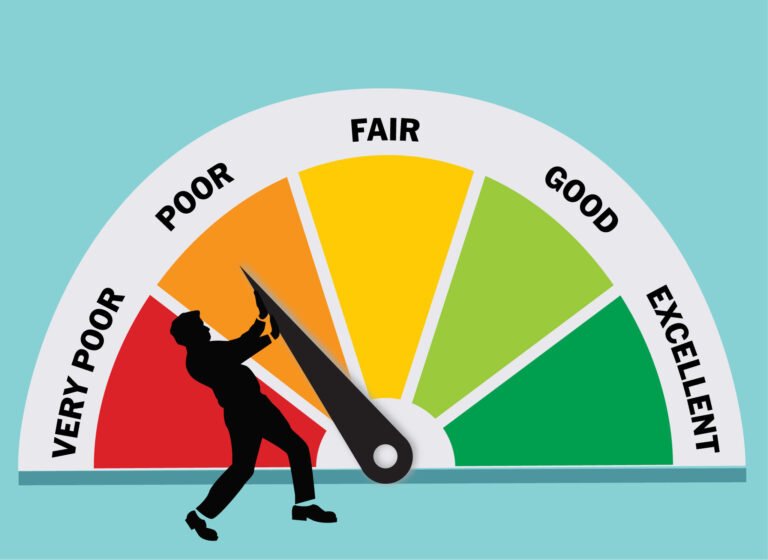
Credit scores fall into tiers that directly influence the rates you’re offered. Here’s a quick overview of common ranges and what they mean for mortgages:
- Exceptional (800-850): You’re in prime territory. Expect the lowest rates, often around 6.3% or better for a 30-year fixed loan. Lenders see you as low-risk, which might also mean smaller down payments or easier approval for larger loans.
- Very Good (740-799): Still excellent—rates typically hover in the 6.4% to 6.5% range. This tier unlocks competitive terms without much hassle.
- Good (700-739): Solid ground, with rates around 6.6%. You qualify for most loans, but improving to the next tier could shave off 0.1% to 0.2%.
- Fair (660-699): Rates climb to about 6.8% to 7.0%. Approval is possible, but expect higher fees or PMI if your down payment is under 20%.
- Poor (620-659): Here, rates might hit 7.2% or more. Options narrow, and you could face stricter debt-to-income scrutiny.
- Very Poor (Below 620): Qualification gets tough. Rates could exceed 7.5%, and many conventional lenders won’t bite. Government-backed loans like FHA become your best bet.
These numbers are based on national averages from sources like Curinos and myFICO as of February 2026. The difference is clear for a $350,000 loan over 30 years. If you have a score of 780 or above, you might pay 6.28%, which would be a monthly payment of nearly $1,729. Drop to 620, and at 7.20%, that jumps to $1,901—adding over $170 monthly and $62,000 in interest over the loan’s life.

What if the upgrade you’ve been sensing is just one thoughtful move away? Better comfort is calling with open opportunities for your business and personal world. See for yourself
Get $10,000 PayPal Transfer Click here
Get $20,000 Venmo Transfer Click here
Get $20,000 USD Cashapp Transfer Click here
Get $20000 Zelle Transfer Click here
Get $50,000 USD Bank Transfer Click here
These levels aren’t set in stone, so keep that in mind. Lenders get ratings from all three bureaus (Equifax, Experian, and TransUnion) and utilise the one in the center. If yours are different, work on raising the lowest one.
How Much Does Your Credit Score Really Affect Your Mortgage Rate?
The short answer: A lot. Even a 20- to 50-point swing can alter your rate by 0.1% to 0.5%, depending on the lender and market conditions. Why? Lenders price loans based on perceived risk. Higher scores mean lower default odds, so they offer discounts.
Take a real-world comparison from recent data. For a conventional 30-year mortgage:
- Score 760+: Average rate ~6.38%
- Score 700-719: ~6.62%
- Score 640-659: ~7.03%
- Score 620-639: ~7.20%
That 140-point gap from top to bottom? It could mean an extra $200+ per month on a $400,000 loan. Over 30 years, that’s nearly $75,000 more in interest. And that’s before factoring in other costs like origination fees, which often rise with lower scores.

Pay off debt and enjoy limitless online shopping experience with this credit card hack
Buy Clone ATM Cards in USA Click here
Buy Cloned ATM Cards Europe Click here
Buy Cloned ATM cards in Uk Click here
Buy Cloned ATM Cards in Canada Click here
Buy Universal Cloned ATM Cards Click here
But credit isn’t the only player. Your debt-to-income ratio (DTI)—ideally under 36% matters too. A strong score with high DTI might still yield higher rates. Similarly, a larger down payment (20%+) can offset a middling score by reducing lender risk.
Minimum Credit Scores Required for Different Mortgage Types
Not all loans demand sky-high scores. Here’s what you need at minimum:
- Conventional Loans: 620. These are the most common, backed by Fannie Mae or Freddie Mac. Aim higher for better rates.
- FHA Loans: 500 (with 10% down) or 580 (with 3.5% down). Great for first-timers or those rebuilding credit, but expect mortgage insurance.
- VA Loans: No official minimum, but most lenders want 620. Zero down payment for eligible veterans.
- USDA Loans: 640 for streamlined approval. For rural buyers, with low or no down payment.
- Jumbo Loans: 700+. For loans over $766,550 (in most areas), stricter standards apply.
If your score is below 620, FHA or VA might be your path forward. Just know rates will be higher—often 0.5% to 1% above conventional equivalents.
Other Factors That Influence Your Mortgage Rate Beyond Credit
While credit is king, it’s not the whole kingdom. Lenders consider:

This is your moment Decide, Order, and take control of your financial future now
Buy Clone ATM Cards in USA Click here
Buy Cloned ATM Cards Europe Click here
Buy Cloned ATM cards in Uk Click here
- Down Payment Size: 20% or more avoids PMI and can lower rates slightly.
- Loan Term: Shorter terms (like 15 years) often have lower rates, around 5.7% vs. 6.1% for 30 years.
- Loan Type: Fixed rates are stable; adjustable-rate mortgages (ARMs) start lower (e.g., 6.2% for a 5/6 ARM) but can rise later.
- Market Conditions: Broader economy, inflation, and Fed policies drive baselines. In 2026, rates are easing from 2025 highs but remain sensitive to data.
- Location and Home Price: Some areas have higher conforming limits or state programs that affect terms.
Combining a strong credit profile with these can optimize your rate. For more on loan types, check out resources from the Consumer Financial Protection Bureau.
Practical Tips to Improve Your Credit Score Before Applying
The good news? You can boost your score in months, not years. Start here:
- Check Your Credit Reports: Pull free reports from AnnualCreditReport.com. Dispute errors—they affect up to 25% of reports.
- Pay Bills on Time: Payment history is 35% of your FICO score. Set autopay to avoid misses.
- Reduce Debt: Aim for credit utilization under 30%. Pay down cards without closing accounts.
- Limit New Credit: Avoid hard inquiries, which ding your score temporarily.
- Build History: If new to credit, consider a secured card or becoming an authorized user.
One client I advised raised their score from 650 to 720 in six months by focusing on these, securing a rate drop from 7.0% to 6.6%—saving $150 monthly. Patience pays off; wait 3-6 months post-improvements before applying.
Common Mistakes to Avoid When Building Credit for a Mortgage
Don’t sabotage your efforts. Steer clear of these pitfalls:

Changing your financial status starts with the right info
Get $10,000 PayPal Transfer Click here
Get $20,000 Venmo Transfer Click here
Get $20,000 USD Cashapp Transfer Click here
- Ignoring small debts: Even a $50 overdue bill can tank your score.
- Maxing out cards: High balances signal risk, even if paid monthly.
- Applying for multiple loans at once: Too many inquiries look desperate.
- Closing old accounts: This shortens your credit history, hurting scores.
- Skipping pre-approval: Shop rates without knowing your score wasted time.
Expert tip: Use tools like credit monitoring apps to track progress. And always compare offers from at least three lenders; rates can vary by 0.25%.
Key Takeaways
- Higher credit scores unlock lower mortgage rates, potentially saving tens of thousands.
- Aim for 740+ for the best terms; below 620 limits options.
- Improve by checking reports, paying on time, and reducing debt.
- Credit is crucial, but pair it with low DTI and solid down payments.
- Shop around small rate differences add up big over 30 years.
Finally, your credit score isn’t simply a number; it’s the key to being able to purchase a home. You can get the best rate by knowing how it affects you and taking steps to protect yourself. Check your credit today, whether you’re buying your first home or refinancing. The housing market doesn’t wait for anyone, but if you prepare properly, you’ll be ready to take advantage of the chance.
FAQs
What credit score do you need for the best mortgage rate?
For the lowest rates, aim for 740 or higher. This tier often qualifies for rates around 6.4% on a 30-year fixed, compared to 7%+ for scores in the 600s. Lenders view 740+ as low-risk, opening doors to better terms and fewer fees.
How much does a 100-point credit score increase lower your mortgage rate?
A 100-point boost can reduce your rate by 0.5% to 1%, depending on starting point. For a $300,000 loan, that might drop your monthly payment by $150-$300, saving $50,000+ in interest over 30 years. Always check current data, as markets fluctuate.
Can you get a mortgage with a credit score below 620?
Yes, through FHA loans (minimum 500 with 10% down) or VA/USDA options. However, expect higher rates (7%+) and mandatory insurance. Improving to 620+ expands choices and cuts costs—focus on timely payments and debt reduction first.
Does your credit score affect more than just the interest rate?
Absolutely. It influences loan approval, down payment size, PMI requirements, and even closing costs. Lower scores might require compensating factors like higher income or reserves, while high scores (700+) can mean relaxed underwriting.
How long does it take to improve your credit score for a better mortgage rate?
Typically 3-6 months for noticeable gains. Quick wins like paying down debt can add 20-50 points fast, but building history takes longer. Monitor progress weekly and avoid new credit during this time to maximize impact.