Book Appointment Now

Natural Disaster Credit: Protecting Your FICO® Score After a Disaster Like Hurricane Helene
Empowerment Relief Credit – Natural Disaster Credit
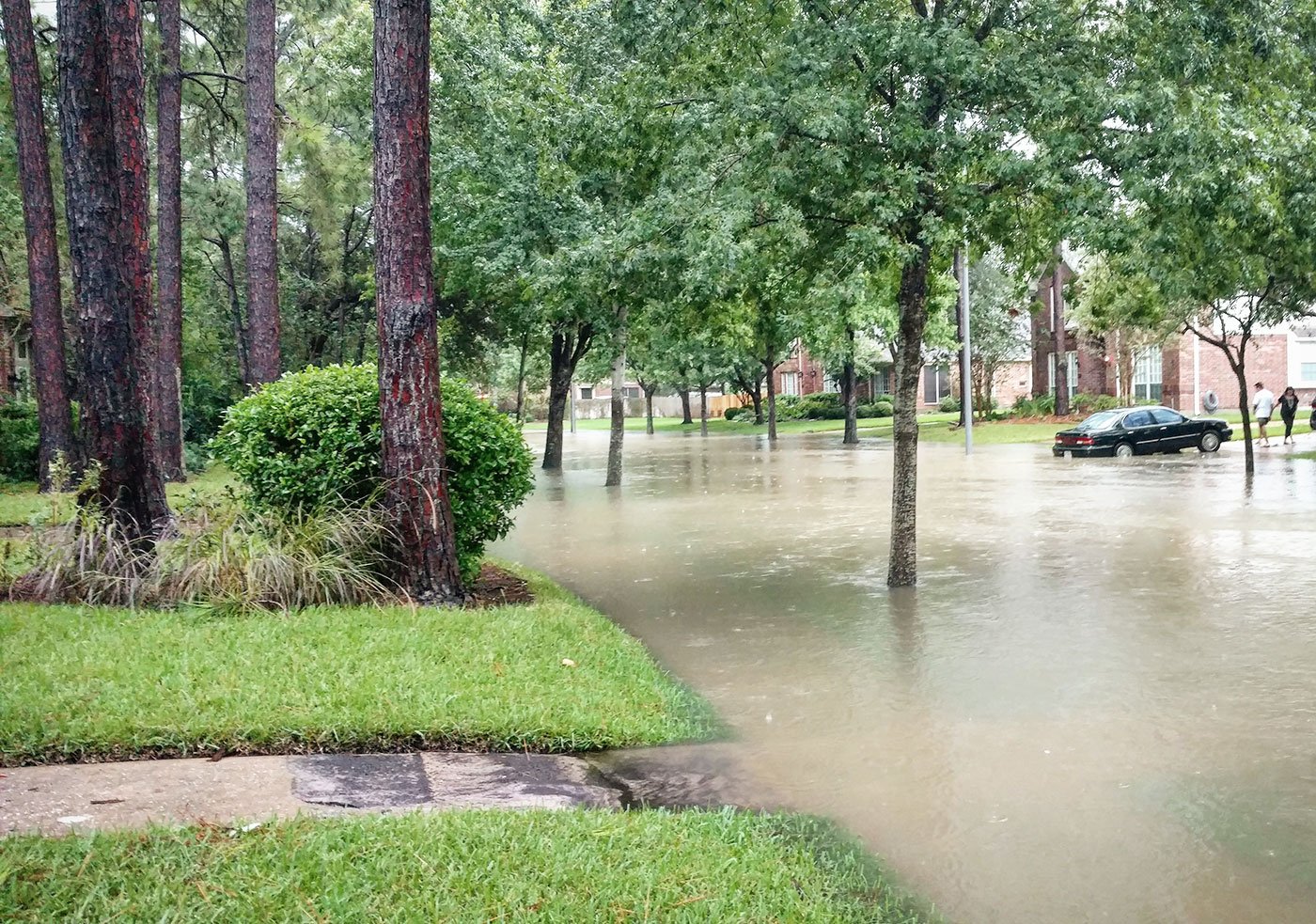
If you were affected by a natural disaster like Hurricane Helene, which hit land in late September 2024 and caused historic flooding, killing over 230 people in six states (with the most deaths in western North Carolina), and causing damages estimated between $30 and $50 billion, your main concern should still be the safety and health of you and your family.
As of February 2026, recovery is far from over. Western North Carolina is still cleaning up trash, fixing dams (with $7.3 million in new financing), slowly rolling out housing programs, and dealing with ongoing infrastructural problems.. Federal aid has surpassed $11 billion (FEMA grants, NFIP claims, community development block grants), yet thousands remain in temporary housing, face insurance delays, and await additional congressional funding.

Money doesn’t wait for perfect plans – it flows to the person who moves first, moves decisively, and refuses to stay broke while dreaming big.
Get $10,000 PayPal Transfer Click Here
Get $20,000 Cashapp Transfer Click Here
Get $10,000 Venmo Transfer Click here
Instant $10,000 Zelle Transfer Click here
Get $100,000 Bank Account Transfer Here
As basic needs—shelter, food, clean water, and medical care—are addressed through FEMA Individual Assistance, Red Cross relief, state programs (e.g., North Carolina’s HUD-funded recovery initiatives), or community support, your thoughts will naturally turn toward rebuilding and returning life to normal. Many survivors grapple with these pressing financial questions:
- How do I quickly access emergency funds, insurance proceeds, or low-interest loans?
- What happens if I miss payments on credit cards, mortgages, auto loans, or other debts while recovering?
- How might my current financial decisions affect my credit rating and future access to credit?
These concerns are critical. Your FICO® Score (ranging from 300 to 850) directly influences the credit available to you, the interest rates you’re offered, loan amounts, insurance premiums, rental approvals, utility deposits, and even some employment or professional licensing decisions. Importantly, simply residing in an area declared a natural disaster zone or affected by government action does not directly impact your FICO® Score. FICO scoring models do not factor in geography, FEMA declarations, or external events—what matters are your credit behaviors: payment history (35%), amounts owed/credit utilization (30%), length of credit history (15%), new credit (10%), and credit mix (10%).
Natural disaster credit issues often emerge when recovery strains cash flow: emergency purchases inflate credit card balances and utilization, income interruptions risk missed payments, or rebuilding costs lead to new credit applications. The good news? Proactive communication can prevent or minimize damage.
Please reach out to your bank and other creditors at your earliest convenience. Major lenders frequently activate natural disaster relief programs after FEMA declarations (as seen post-Helene in North Carolina, Georgia, Florida, South Carolina, Tennessee, and Virginia). Common relief options include:

What if the upgrade you’ve been sensing is just one thoughtful move away? Better comfort is calling with open opportunities for your business and personal world. See for yourself
Get $10,000 PayPal Transfer Click here
Get $20,000 Venmo Transfer Click here
Get $20,000 USD Cashapp Transfer Click here
Get $20000 Zelle Transfer Click here
Get $50,000 USD Bank Transfer Click here
- Temporary forbearance (pausing or reducing payments)
- Deferred payment plans
- Interest rate reductions or fee waivers
- Temporary credit limit increases for essential expenses
Crucially, the placement and reporting of an account in forbearance or a deferred payment plan in and of itself does not negatively impact a FICO® Score. This rule applies to all versions of FICO® Scores used by lenders today. When you arrange relief proactively and adhere to the agreed terms, lenders generally do not report the account as late or delinquent. However, unarranged actions—missing payments, charging cards to or over their limits, or opening several new accounts in a short period—can significantly lower your score.
If you’re concerned about keeping up with bills while navigating insurance claims, FEMA/SBA processing, or rebuilding, here are practical steps to safeguard your natural disaster credit and FICO® Score.
5 Ways to Prepare for a Natural Disaster (Build Resilience Before—or for Future Events)
Even during ongoing recovery, these habits strengthen your position:
- Be in the know about your current credit status Regularly check your FICO® Score (via myFICO.com or free estimates) and access weekly free credit reports at AnnualCreditReport.com. A clear baseline helps you quickly identify any disaster-related changes.
- Assess where you are financially Maintain an emergency fund (ideally 3–6 months of expenses), review and update insurance coverage (especially flood and wind policies), and document valuables with photos/videos for faster, stronger claims.
- Consider automatic payments for your priorities Set up autopay for must-pay items like mortgages, utilities, and credit card minimums to prevent accidental late payments during evacuations or service disruptions—many issuers offer grace periods in declared disaster areas.
- Do you have overdraft protection? Link a savings account or line of credit to your checking account to avoid expensive overdraft fees if relief funds or paychecks are delayed.
- Investigate your credit card over-limit rules or protection programs Understand your issuer’s hardship policies—some automatically waive over-limit fees or activate relief in declared natural disaster zones.
5 Ways to Recover from a Natural Disaster (Immediate Natural Disaster Credit Protection Steps)
Take these actions as soon as possible:
Pay off debt and enjoy limitless online shopping experience with this credit card hack
Buy Clone ATM Cards in USA Click here
Buy Cloned ATM Cards Europe Click here
Buy Cloned ATM cards in Uk Click here
Buy Cloned ATM Cards in Canada Click here
Buy Universal Cloned ATM Cards Click here
- Before payments are due, start making calls to alert your creditors Reach out to mortgage servicers, credit card companies, auto lenders, and student loan providers. Reference the disaster declaration and explain your situation. Document every conversation (names, dates, reference numbers).
- Ask your creditors about your options Specifically inquire about forbearance, deferment, rate reductions, fee waivers, or extended repayment. The CFPB and federal/state regulators encourage lenders to work constructively with disaster survivors.
- Time to reprioritize your expenses Create a bare-bones budget prioritizing housing, food, transportation, and utilities. Leverage FEMA/SBA low-interest disaster loans, state aid, or nonprofit assistance to reduce reliance on high-interest credit.
- Request a copy of your credit report as soon as feasible Obtain free reports from Equifax, Experian, and TransUnion. Review for errors, fraud, or unauthorized activity—disasters increase identity theft risk. Dispute inaccuracies promptly; corrections can improve your score quickly.
- Consider a credit monitoring or identity theft protection service Free monitoring is often available through FEMA or nonprofits after major disasters; paid services (e.g., myFICO Advanced) provide real-time alerts to catch issues early.
With a solid plan for natural disaster credit protection, you can focus on immediate priorities—keeping yourself and your family safe and healthy—while preventing long-term setbacks like a damaged credit score that raises future borrowing costs. Recovery from events like Hurricane Helene requires time and persistence, but taking these steps now builds a stronger financial foundation.