
Book Appointment Now

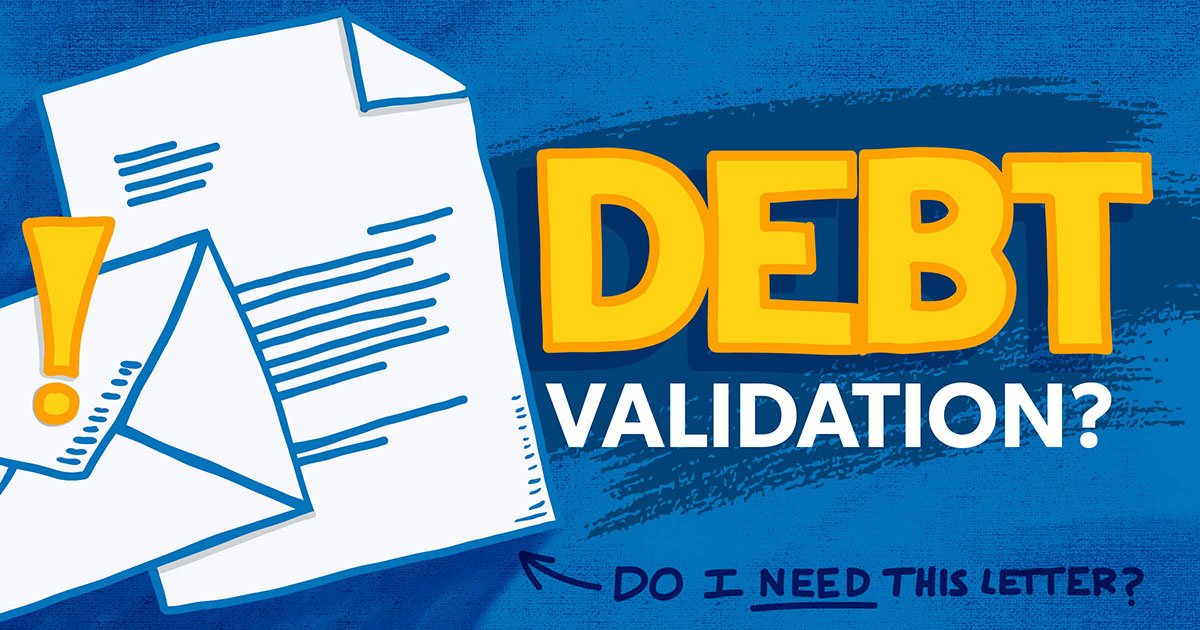
How to Verify Debt Collection Accounts
Verify Debt Collection: How to Spot Legitimate Collectors vs. Scams in 2026
Debt collectors can reach you through more channels than ever before—phone calls, emails, text messages, social media DMs, even apps and chatbots. In 2026, with U.S. consumer debt at record levels (credit card balances alone exceeding $1.28 trillion per the Federal Reserve Bank of New York’s February 2026 report) and scammers increasingly sophisticated, distinguishing legitimate debt collection from fraud has become both more urgent and more difficult.
Even when the collector is real, the debt itself may not be valid. The FTC and CFPB continue to report widespread issues: collectors misrepresenting amounts owed, pursuing time-barred debts, using deceptive tactics, or attempting to collect on debts that are inaccurate, outdated, or not yours. Being able to verify debt collection effectively protects your finances, your FICO® Score, and your peace of mind.

Money doesn’t wait for perfect plans – it flows to the person who moves first, moves decisively, and refuses to stay broke while dreaming big.
Get $10,000 PayPal Transfer Click Here
Get $20,000 Cashapp Transfer Click Here
Get $10,000 Venmo Transfer Click here
Instant $10,000 Zelle Transfer Click here
Get $100,000 Bank Account Transfer Here
Here’s a comprehensive 2026 guide to verifying debt collection—spotting red flags, demanding proof, checking legality, confirming licensing, and taking action if scammed. Verify Debt Collection.
Why Verifying Debt Collection Matters in 2026
Debt collection complaints remain among the top issues reported to the CFPB and FTC. Common problems include:
- Collectors often demand payment for debts that have already been paid, discharged in bankruptcy, or never owed.
- Threats of arrest, wage garnishment, or exaggerated lawsuits are common problems.
- The collectors make contact with third parties, such as family members or employers, in a manner that contravenes the Fair Debt Collection Practices Act (FDCPA).
- Pursuing time-barred debts (beyond the statute of limitations) without proper disclosure.
Scammers exploit these gray areas, impersonating real agencies, spoofing caller IDs, and pressuring quick payments via gift cards, wire transfers, or crypto—methods legitimate collectors rarely (if ever) use.
Verifying debt collection is your first line of defense. The FDCPA and state laws give you strong rights to demand proof and halt aggressive tactics until validation is provided.

What if the upgrade you’ve been sensing is just one thoughtful move away? Better comfort is calling with open opportunities for your business and personal world. See for yourself
Get $10,000 PayPal Transfer Click here
Get $20,000 Venmo Transfer Click here
Get $20,000 USD Cashapp Transfer Click here
Get $20000 Zelle Transfer Click here
Get $50,000 USD Bank Transfer Click here
Step 1: Ask for Debt Validation – Your Strongest Tool
Under the FDCPA, if a third-party debt collector contacts you about a debt, you have 30 days from initial contact to request validation in writing. Send a debt validation letter (certified mail with return receipt recommended) stating:
“I am requesting validation of this alleged debt pursuant to the Fair Debt Collection Practices Act. Please provide: (1) the amount of the debt; (2) the name of the original creditor; (3) proof that you are authorized to collect this debt; (4) a copy of the original agreement or contract; (5) an itemized breakdown of principal, interest, fees, and credits.”
Until the collector provides this information, they must cease most collection activities—including phone calls, letters, credit reporting, and lawsuits.
What to look for in the response:
Pay off debt and enjoy limitless online shopping experience with this credit card hack
Buy Clone ATM Cards in USA Click here
Buy Cloned ATM Cards Europe Click here
Buy Cloned ATM cards in Uk Click here
Buy Cloned ATM Cards in Canada Click here
Buy Universal Cloned ATM Cards Click here
- Does the amount match your records? Cross-check old statements, payment history, or bank records.
- Is the original creditor correct? Scammers often use real company names but inflate amounts.
- Are documents authentic? Look for inconsistencies in dates, account numbers, or signatures.
- Is interest/fees reasonable? Excessive add-ons can be challenged. Verify Debt Collection
If validation is incomplete, inaccurate, or never sent, you can dispute the debt with the credit bureaus and file complaints with the CFPB and state attorney general.
Step 2: Verify Debt Collection Is Legally Collectible – Statute of Limitations
Even if the debt exists, it may be too old to enforce in court. Each state has a statute of limitations (SOL) for debt collection—typically 3–10 years from the date of last activity (last payment or charge).
- Ask the collector: “What is the date of last activity or charge-off on this account?”
- Cross-check with your records or credit report.
- Research your state’s SOL (e.g., California: 4 years for written contracts; Texas: 4 years; New York: 6 years as of 2023 changes).
- Caution: Acknowledging the debt, making a partial payment, or promising to pay can reset the SOL clock in many states—avoid these until fully verified.
An expired SOL doesn’t prevent calls or letters, but it offers a defense in court. Collectors must disclose time-barred status in some states (e.g., California, New York). If you are sued over a time-barred debt, please respond promptly, as many cases are dismissed when the statute of limitations is invoked.
Step 3: Check the Collector’s Licensing and Legitimacy
Legitimate collectors must comply with state licensing laws. In 2026, most states require third-party debt collectors to hold active licenses.

This is your moment Decide, Order, and take control of your financial future now
Buy Clone ATM Cards in USA Click here
Buy Cloned ATM Cards Europe Click here
Buy Cloned ATM cards in Uk Click here
How to verify:
- Search the Nationwide Multistate Licensing System (NMLS) at nmlsconsumeraccess.org for the company name.
- Check your state’s Department of Financial Institutions, Banking Division, or Attorney General website for licensed collectors.
- Confirm the company’s physical address and phone number match official records (scammers use fake or spoofed info).
- Look for a website with HTTPS, clear contact info, and licensing numbers.
- Check BBB.org, but note many legitimate collectors have poor ratings due to complaint volume—focus on licensing over reviews.
Red flags of scams:
- Demands immediate payment via gift cards, wire transfer, prepaid debit, or cryptocurrency.
- The scammer may also threaten you with arrest, deportation, or jail time, all of which are illegal under the FDCPA.
- The individual refuses to provide the company name, address, or any form of validation.
- Calls from unfamiliar area codes or spoofed numbers claiming to be local authorities.
- There may be pressure to “verify” personal information over the phone.
Step 4: What to Do If You’re a Victim of a Scam or Invalid Debt
If you’ve paid a scammer or suspect fraud:
- Stop all contact — Don’t engage further.
- File complaints:
- FTC.gov/complaint
- CFPB.gov/complaint
- Your state Attorney General
- IC3.gov (Internet Crime Complaint Center) for online scams
- Please report to the credit bureaus to dispute any fraudulent collections on your reports.
- Freeze your credit — Prevent further fraudulent accounts (free at Equifax, Experian, TransUnion).
- Contact your bank/credit card — Request chargebacks or fraud protection if payment was recent.
- Consult a consumer attorney — Many offer free consultations; some take cases on contingency under FDCPA (collectors pay your fees if you win). Verify Debt Collection
If the debt is legitimate but invalidly collected (e.g., time-barred, misstated amount), dispute with bureaus and consider legal help.

Changing your financial status starts with the right info
Get $10,000 PayPal Transfer Click here
Get $20,000 Venmo Transfer Click here
Get $20,000 USD Cashapp Transfer Click here
Bottom Line
Verifying debt collection is essential in 2026’s high-debt, high-scam environment. Always demand written validation, check the statute of limitations, confirm licensing through NMLS and state agencies, and watch for classic scam tactics. These steps protect your wallet, your FICO® Score, and your rights under federal and state law.
Don’t pay or acknowledge anything until fully verified. If in doubt, consult a consumer protection attorney or HUD-approved housing counselor for guidance.