Book Appointment Now


What Credit Score Do You Need to Rent an Apartment or House?
Comprehensive Tips on What Credit Score Do You Need to Rent?
Are you thinking about renting a house or a flat? You might be asking yourself, “What credit score do I need to rent a house or flat?” There is no official or legal credit score that you need to rent a place, but the range of scores that landlords normally accept depends on where the property is located and their own rules. A good credit score could help you be approved, and landlords may also look at other things, including your rental history, income, references, and payment history. What Credit Score Do You Need to Rent an Apartment.
Why your credit score matters when renting a home or apartment
Landlords use credit scores to help them assess the risk of tenants being able to pay rent on time. A strong credit score can increase your rental chances and even allow for lower security deposits. Now, let’s break down the details.

Money doesn’t wait for perfect plans – it flows to the person who moves first, moves decisively, and refuses to stay broke while dreaming big.
Get $10,000 PayPal Transfer Click Here
Get $20,000 Cashapp Transfer Click Here
Get $10,000 Venmo Transfer Click here
Instant $10,000 Zelle Transfer Click here
Get $100,000 Bank Account Transfer Here
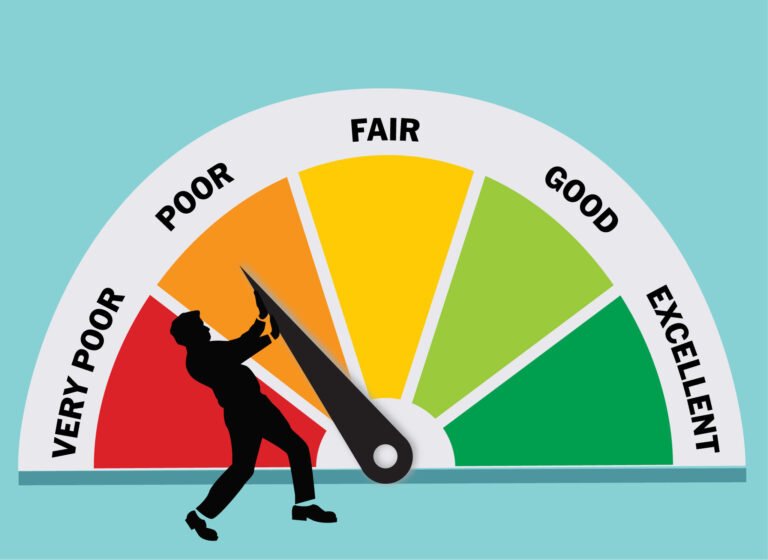
When credit scores are considered, a score above 670—on a FICO® Score range of 300 to 850—generally indicates excellent creditworthiness. The cutoff can vary depending on the apartment, your local rental market, your income, and the rent. The landlord will consider your income separately since your FICO score doesn’t include it.
What is the minimum credit score to rent an apartment or house?
As mentioned, a credit score above 670 generally indicates excellent creditworthiness, but a lower credit score doesn’t automatically mean your application will be denied. A landlord may scrutinize applications with lower scores more closely. In a competitive rental market, the higher your credit score, the better.
Credit score for renting an apartment vs. renting a house
There are a few noticeable differences between renting an apartment and renting a house. The primary distinction lies in the rental requirements, which include the minimum credit score required for approval. Apartments may have lower requirements compared to houses, as landlords prioritize your income, using it as a measure of how likely you are to pay your rent on time.
How landlords evaluate your credit score when renting
Your score plays a role in the approval process, but other factors, like income and rental history, also determine how likely you are to pay your rent on time.

What if the upgrade you’ve been sensing is just one thoughtful move away? Better comfort is calling with open opportunities for your business and personal world. See for yourself
Get $10,000 PayPal Transfer Click here
Get $20,000 Venmo Transfer Click here
Get $20,000 USD Cashapp Transfer Click here
Get $20000 Zelle Transfer Click here
Get $50,000 USD Bank Transfer Click here
Can you rent an apartment or house with a low credit score?
If you don’t meet the credit qualifications to rent an apartment or home, all’s not lost. Depending on the landlord, you may have several options to gain access.
For starters, you may be able to negotiate paying a higher security deposit or covering a few months of rent in advance. Having someone vouch for you, either rental references or a co-signer can also give you some additional credibility. A co-signer shares the risk, which may make approval easier. You also may have more success with an individual landlord rather than a property management company whose rules tend to be less flexible.
On the flip side, a higher credit score doesn’t get you a better rental rate, but having excellent credit may give you the benefit of moving in with a low or no security deposit requirement. What Credit Score Do You Need to Rent an Apartment.
Steps to take if you don’t have the ideal credit score
If your credit score is less than ideal, don’t panic. There are a few things you can do to secure the apartment or home you want to live in. You can try:

Pay off debt and enjoy limitless online shopping experience with this credit card hack
Buy Clone ATM Cards in USA Click here
Buy Cloned ATM Cards Europe Click here
Buy Cloned ATM cards in Uk Click here
Buy Cloned ATM Cards in Canada Click here
Buy Universal Cloned ATM Cards Click here
- Getting a cosigner
- Paying a higher security deposit
- Offering references
- Getting a roommate
- Negotiating terms with landlords
Keep in mind that if you’re getting a roommate or a cosigner, their credit must be higher than yours – credit can’t be added like a math equation, and two low scores don’t combine to a high one.
Improving your credit score before applying to rent a house or apartment
If you’re looking to apply for an apartment or rental, there are a few actionable things you can do to improve your credit in the meantime. Start by paying down debt, checking credit reports for errors, and ensuring that all payments are made on time. What Credit Score Do You Need to Rent an Apartment
When can I check my credit score before renting?
It’s good practice to check your credit score before you start applying for apartments or homes, as then you’ll know what you can qualify for. Remember that checking your credit score is a soft inquiry, which does not impact your credit score.
What other factors do landlords consider for renting?
Some landlords may only look at your actual credit data, focusing on your payment history instead. Regardless of your credit history, landlords consider the ratio of your monthly income to monthly rent to ensure you can afford the rent payments.

This is your moment Decide, Order, and take control of your financial future now
Buy Clone ATM Cards in USA Click here
Buy Cloned ATM Cards Europe Click here
Buy Cloned ATM cards in Uk Click here
Some landlords use tenant screening services or rental-specific credit scores to approve applicants. Landlords may even opt for a service that automatically screens tenants based on certain risk factors like debt-to-income ratio, number of bankruptcies or delinquent accounts, and criminal history.
How long does it take to improve your credit score for renting?
Working on your FICO® Scores is a gradual process that requires patience and consistent effort. The time it takes to see the impact depends on your unique financial circumstances and the actions you take to build or repair your credit, but in general, you may start noticing small changes within three to six months.
Significant changes can take longer, especially if you’re recovering from issues like late payments, high credit utilization, or negative marks. What Credit Score Do You Need to Rent an Apartment.