Book Appointment Now


What is ‘high balance,’ and how does it affect your score?
One of the most stressful aspects of using a credit card is racking up a high balance. What is ‘high balance’, and how does it affect There are many that you may have a high balance, including large unexpected bills or home and auto repairs. Or maybe you just really wanted a new couch, and it hit your wallet hard. What is ‘high balance’, and how does it affect
But what does that high balance mean for your credit score?

Money doesn’t wait for perfect plans – it flows to the person who moves first, moves decisively, and refuses to stay broke while dreaming big.
Get $10,000 PayPal Transfer Click Here
Get $20,000 Cashapp Transfer Click Here
Get $10,000 Venmo Transfer Click here
Instant $10,000 Zelle Transfer Click here
Get $100,000 Bank Account Transfer Here
There are a number of factors that contribute to your overall score, but the one that will be most impacted by your high balance is your credit utilisation ratio. This simply means the percentage of your overall credit that you have used. What is ‘high balance’, and how does it affect
When thinking about carrying a balance, it’s important to remember that 30 per cent of your FICO score comes from your credit utilisation ratio. What is ‘high balance’, and how does it affect
What about a “high balance” notation on your credit report? Well, that’s entirely different.
Here’s what you need to know about how high balances impact your credit score.

What if the upgrade you’ve been sensing is just one thoughtful move away? Better comfort is calling with open opportunities for your business and personal world. See for yourself
Get $10,000 PayPal Transfer Click here
Get $20,000 Venmo Transfer Click here
Get $20,000 USD Cashapp Transfer Click here
Get $20000 Zelle Transfer Click here
Get $50,000 USD Bank Transfer Click here

What is a ‘high balance’ on your credit report?
When it comes to credit cards, the term “high balance” is found on Experian and TransUnion credit reports, while Equifax uses “high credit”. This represents the highest balance or highest amount of credit ever used on your credit card.
When it comes to your instalment loans, “original amount” or “high credit” may be what you see on your report (as opposed to “high balance”), and they refer to the total amount you borrowed when you first took out the loan. Since this is an instalment loan, the amount will be reduced by each payment and is not replenished by payments. Because of this feature, instalment loans are not included in your utilisation calculation, which we will discuss next. What is ‘high balance’, and how does it affect
How does a high balance affect credit utilisation?
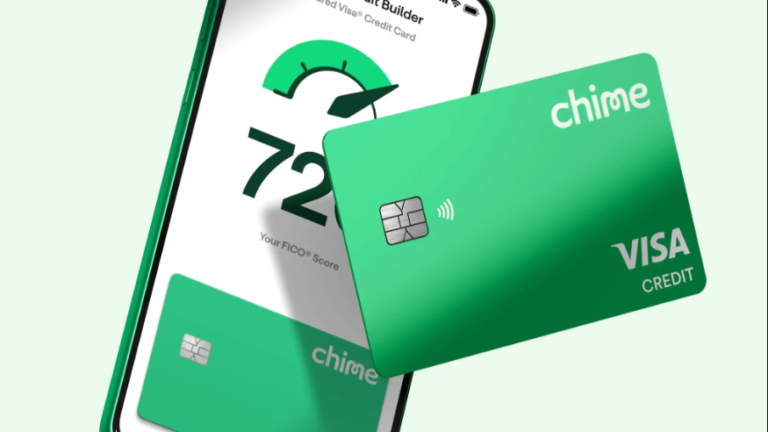
Credit utilisation is the ratio of your credit card balance(s) compared to your credit limit(s). This factor accounts for approximately 30 per cent of your total FICO score and is considered extremely influential (the primary factor) in your VantageScore. What is ‘high balance’, and how does it affect
Utilisation is calculated for each credit card. It looks at how much of your credit you have used in relation to your credit limit. For example, a card with a $5,000 limit and a $500 balance will show a 10 per cent utilisation rate. Each card will be calculated the same way, and then all of your cards’ balances and limits will be totalled to come up with your overall utilisation rate. What is ‘high balance’, and how does it affect
Pay off debt and enjoy limitless online shopping experience with this credit card hack
Buy Clone ATM Cards in USA Click here
Buy Cloned ATM Cards Europe Click here
Buy Cloned ATM cards in Uk Click here
Buy Cloned ATM Cards in Canada Click here
Buy Universal Cloned ATM Cards Click here
Experts recommend that consumers keep their credit utilisation below 25 per cent when possible to optimise their credit utilisation ratio.
The card in the previous example is in great shape in terms of credit utilisation, but if you have another $5,000 card with a $2,500 balance, that card will show a 50 per cent utilisation rate. Taken together, your overall utilisation rate on these two cards would be 30 per cent, which is not terrible.
But the 50 per cent on the one card isn’t good. Depending on what else is in your file, this could result in a drop in your credit score. What is ‘high balance’, and how does it affect
A high balance or high credit notation, however, is a different situation. This number is the highest amount of money you have ever charged on your card versus the highest balance you have carried after a statement closing date. It does not figure into your VantageScore or FICO score, but it has other uses. What is ‘high balance’, and how does it affect

This is your moment Decide, Order, and take control of your financial future now
Buy Clone ATM Cards in USA Click here
Buy Cloned ATM Cards Europe Click here
Buy Cloned ATM cards in Uk Click here
For example, if you have a card with a $5,000 limit, charge $5,000 on the card and then pay it down to $0 before your statement closes, your utilisation will be 0 per cent. But your high balance on your credit report would show $5,000. What is ‘high balance’, and how does it affect
So who cares? Prospective lenders want to know if you are a person who pays their bills on time and if you use your cards and can make money for the issuer. So, if my high balance is $100, it shows I don’t use my card much. If it’s a big number, I may be a more valuable customer generating higher swipe fees. What is ‘high balance’, and how does it affect
High balance notations may also factor into what credit limit you get on your card out of the gate. If the most you’ve ever charged was $1,000, there is no benefit but only more risk for a lender to give you a large card limit of, say, $25,000. What is ‘high balance’, and how does it affect
How does a high balance affect your credit score?
How a ‘high balance’ affects your credit score
In most cases, high balance notations will have no impact on your credit score. Simply having a high balance notation reported on a credit card will not affect your score unless your credit report uses your “high balance” as your credit limit. This may happen if the creditor does not report a credit limit. Some charge cards, not credit cards, do this.

Changing your financial status starts with the right info
Get $10,000 PayPal Transfer Click here
Get $20,000 Venmo Transfer Click here
Get $20,000 USD Cashapp Transfer Click here
VantageScore treats the “high balance” as the credit limit for these types of accounts. However, the VantageScore models will either not factor these accounts into the credit card utilisation calculations or will avoid showing the account as over-utilised when an account is in good standing. The same treatment is applied to the trended data utilisation calculations in VantageScore 4.0. What is ‘high balance’, and how does it affect
FICO does not use the high balance field in its FICO score calculation.
How carrying a high balance affects your credit score
Alternatively, carrying a high balance on a credit card for a short period of time won’t do long-term damage, but it is still important to keep your credit utilisation ratio low. What is ‘high balance’, and how does it affect
Since high, carried-over balances on credit cards count toward your credit utilisation ratio, they will increase your utilisation if you don’t pay them off at the end of the month. Continuing to carry a high balance, while also racking up interest charges, will eventually lower your credit score.
Though 30 per cent is the recommended credit utilisation ratio, the lower you can get it, the better. In fact, Experian data shows that cardholders with good credit have an average 12.4 per cent credit utilisation ratio. Excellent credit users have an average ratio of 5.7 per cent. What is ‘high balance’, and how does it affect
Do you need to know your highest balance?
When it comes to credit cards and finance in general, knowledge often truly is power. Knowing what your highest balance is on all your cards is a wise financial decision and a way to keep your balance(s) from getting out of hand. What is ‘high balance’, and how does it affect
Moreover, from a practical standpoint, if you don’t use a particular card much at all and you see a suspiciously high balance, that may indicate that someone else’s data is leaking over into your file — or worse, that someone else is hijacking your credit and committing identity theft.
As always, dispute anything on your credit reports that you don’t feel is accurate or timely. AnnualCreditReport.com is a great resource that offers free weekly credit reports through December 2023. What is ‘high balance’, and how does it affect
What you can do if you carry over a high balance
If you are struggling under the weight of high-interest payments that make lowering your high balance seem impossible, you do have options.
Consider a balance transfer credit card
A balance transfer credit card allows you to transfer the balance from a higher interest rate credit card to one with a lower interest rate. In fact, many balance transfer cards offer 0 percent intro APR periods, generally between 12 and 21 months, during which you won’t have to pay interest on the balance you transferred. What is ‘high balance’, and how does it affect
If you’re approved for a balance transfer card and qualify for the intro APR offer, your monthly payments made during the intro period will go directly toward the principal balance. Balance transfer offers can help you reduce the total amount of interest you’ll pay, compared to your higher-interest credit card, and help you pay off your debt even faster.
Use cash or debit cards while paying off your high balance
If you are working to lower your credit card balance, it’s a good idea to stop adding to the balance until you get to a point where you are out of debt. What is ‘high balance’, and how does it affect
While cash and debit cards don’t earn rewards, neither do most balance transfer cards, which are a great tool to pay down your balance over time. Also, using money you already have in hand can help reduce the urge to overspend.
Pay more than the minimum (when possible)
When your credit card bill comes, it can be tempting to just pay the minimum amount. While this might be easier on your wallet in the short term, in the long run this will only make the problem worse. As your balance grows, the compounding interest can effectively negate the small minimum payments you have been making. What is ‘high balance’, and how does it affect
Of course, if your high balance is due to an emergency, paying more than the minimum might not be possible, but it is a strategy that you can keep in mind for the future.
If you’re able to, be sure to pay more than the minimum so that your carried-over balance, as well as the interest charged on top of it, slowly reduces.
Bottom line
High balance notations on your credit report may not affect your credit score, but they can be used to determine your credit limit. And an unusual high balance may signal identity theft, so you should stay on top of your credit report as much as possible. What is ‘high balance’, and how does it affect
As for carrying a high balance on your credit card, it can be a stressful and costly experience. Add in compounding interest and potential late payment fees and a tricky situation can go from bad to worse quickly. What is ‘high balance’, and how does it affect
The good news is that there are ways to pay down your high balance to become debt-free. From balance transfer cards to changing your spending habits, financial security is within reach for those who are ready to get out of the shadow of a high card balance. What is ‘high balance’, and how does it affect